
Last updated November 21, 2026
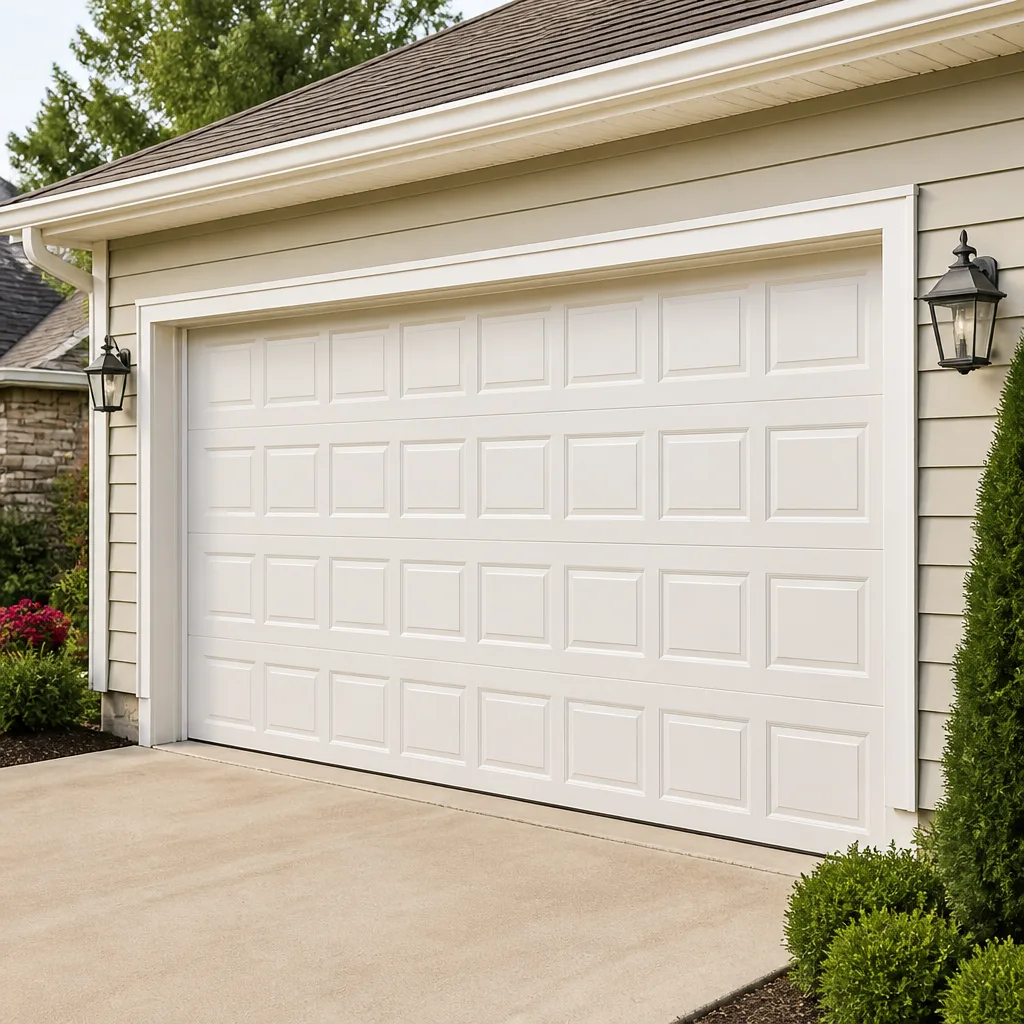 Raised-panel steel
 Carriage house
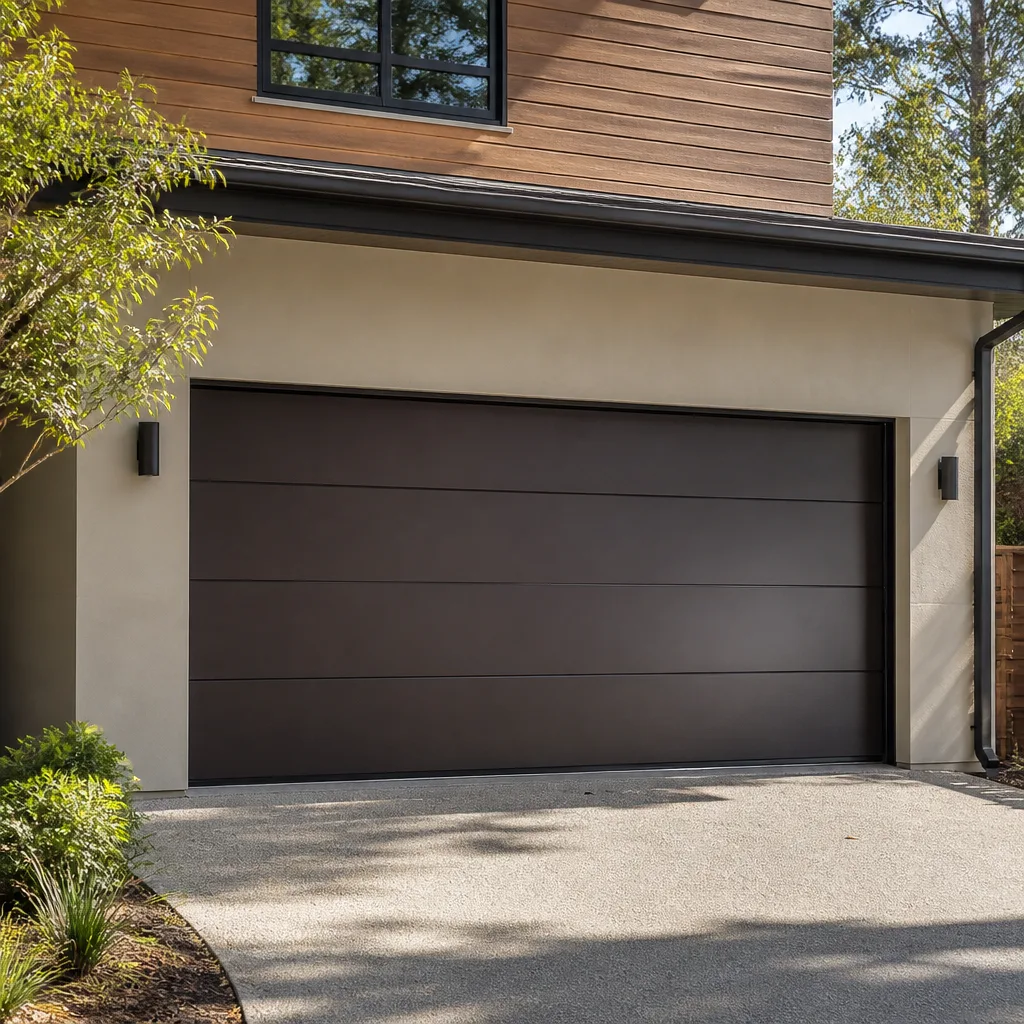 Modern flush
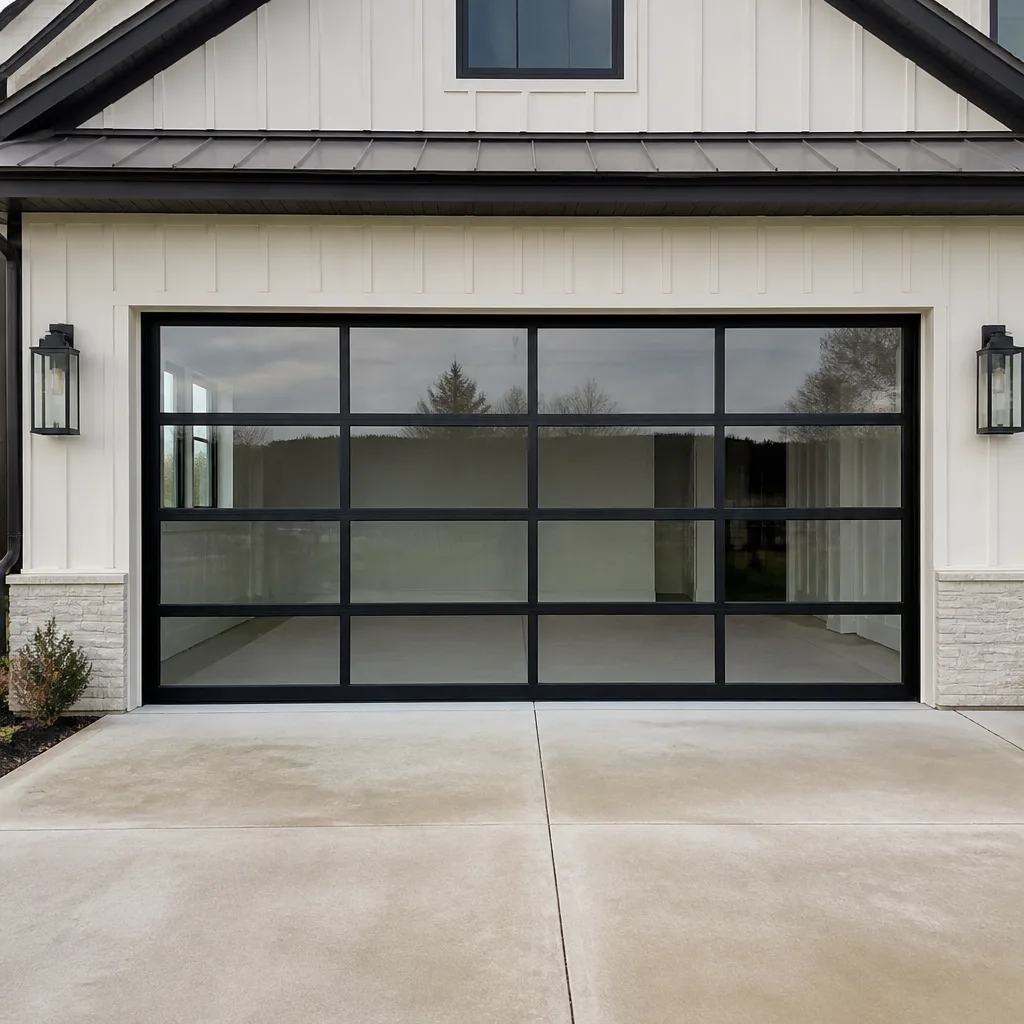 Full-view glass
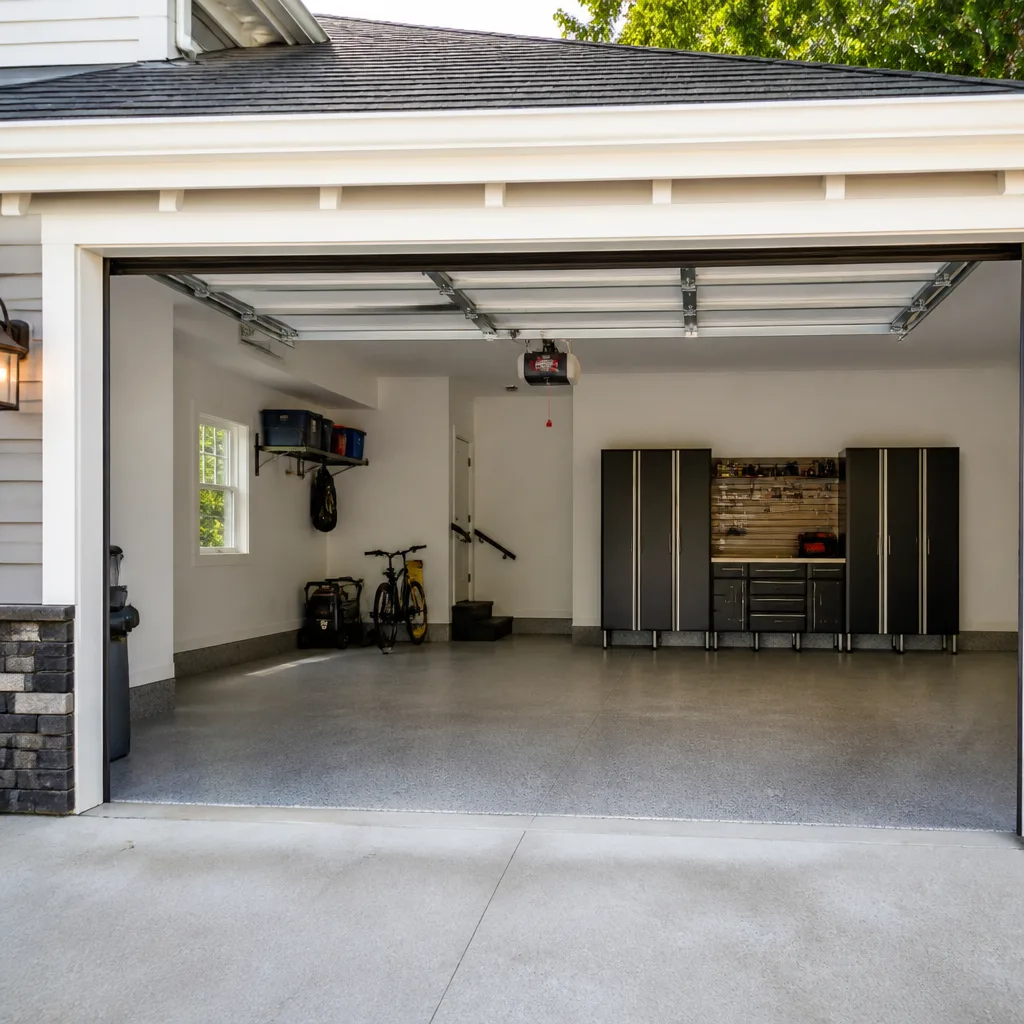 LiftMaster openers
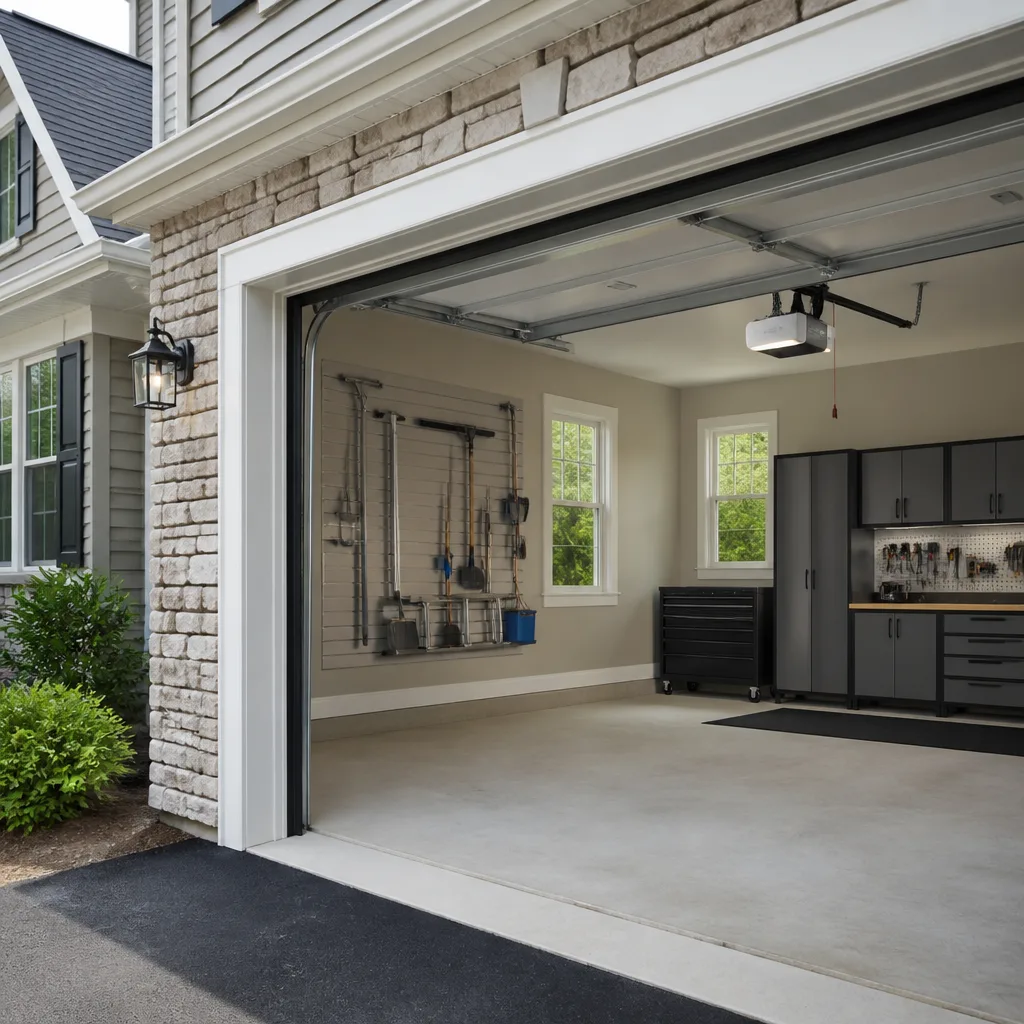 Chamberlain openers
Full 25-point door and opener safety check with every visit - springs, cables, rollers, tracks, and your LiftMaster or Chamberlain opener included
You get a price before we start. It does not change when the pro arrives.
Get your free estimateGarage Door Repair Maintenance Checklist for New Haven Homeowners
Most garage door advice is written for a climate that doesn’t exist here. You’ll find plenty of checklists that tell you to “lubricate twice a year” and “listen for strange noises,” but none of them account for what actually happens to a door in New Haven, where a January thaw can dump water into your tracks and a February freeze can lock it solid by morning. This guide is different. It’s built around the Connecticut weather calendar, the specific ways road salt and freeze-thaw cycles attack a garage door, and the tasks that genuinely protect your door from one season to the next. We’ll cover what to check monthly, what to do before and after winter, which jobs are safe to handle yourself, and which ones call for a trained technician. You’ll also learn how to keep a simple maintenance log that protects your investment when you sell.
Styles & brands we work with
- Raised-panel steel
- Carriage house
- Modern flush
- Full-view glass
- LiftMaster openers
- Chamberlain openers
Quick Answer
A garage door maintenance checklist for New Haven should follow the local weather calendar: inspect and lubricate in spring after the freeze-thaw season ends, check seals and hardware before the first hard freeze in late fall, and watch for road salt damage on tracks, rollers, and bottom brackets all winter. Safe DIY tasks include visual inspections, cleaning, and lubrication; spring, cable, and opener-internal work belongs with a trained technician. A simple maintenance log kept year to year proves service history when you sell your home.
Table of Contents
- Why a New Haven Maintenance Checklist Is Different
- The Month-by-Month Task Calendar
- Road Salt Damage: Where to Look After Every Winter
- Lubrication: What Works in a Connecticut Winter and What Gums Up in Summer
- Bottom Seals, Weatherstripping, and Frost Heave
- DIY-Safe Tasks vs. Tasks That Require a Technician
- Springs and Cables: Why We Never Recommend Touching Them
- Opener Care in a Humid Summer and a Cold Winter
- How to Log Maintenance and Prove Service History When You Sell
- Common Mistakes to Avoid
- When to Call a Professional
- Frequently Asked Questions
- The Bottom Line
Why a New Haven Maintenance Checklist Is Different
Garage door failures follow the weather. In a mild climate, a door might go years with minimal attention and never give you trouble. In New Haven, a door cycles through four genuinely different stress seasons every year, and each one attacks a different part of the system. Ignore that pattern and you’ll find yourself calling for repair at the worst possible moment.
Consider what the local climate actually does to a door. Winter brings repeated freeze-thaw cycles, and each one moves the concrete slab under the door a little. Road salt tracked in on the car’s tires migrates onto the bottom bracket, the lowest rollers, and the first few inches of track. Humidity in July and August works on the hinges and springs, and then a cold snap shrinks metal just enough to make a loose bolt feel tight. These are the conditions that shorten the life of a garage door in New Haven, and a maintenance schedule that ignores them is just busywork.
We’ve also noticed that doors in older New Haven neighborhoods tend to be the ones that need the most attention. A door on a hundred-year-old house in Wooster Square or East Rock may sit on a slab that’s settled somewhat unevenly, and that unevenness shows up as a bottom seal that drags on one side. Doors in newer suburban builds near Westville or along the Hamden line usually have flatter floors but take more salt exposure because they’re next to busier roads. Both situations are fixable, but the fix is different. The rest of this guide walks through the tasks that matter and when to do them.
The Month-by-Month Task Calendar
Here’s the schedule we recommend for a typical garage door in New Haven. It’s organized around the points in the year when local conditions change the most, not the generic “spring and fall” you’ll find on most checklists. If you do nothing else, follow the three high-priority months.
- March (high priority). The freeze-thaw season ends. Do a full visual inspection of the bottom seal, the bottom brackets, and the first two feet of track. Vacuum or wipe off any salt residue left from the winter. Test the door’s balance by hand and listen for grinding in the rollers.
- April. Lubricate hinges, rollers, and the torsion bar bearing plate with a cold-tolerant product (see the lubrication guide below). Check the weatherstripping around the frame for cracking.
- May. Test the auto-reverse safety system using a small obstruction. Inspect the photo-eye sensors and clean them if they’ve collected pollen and dirt from the spring bloom.
- June. Tighten any bolts or lag screws you can see on the hinge plates and the door’s panel junctions. Humidity has started to swell wood and shift metal; a quick torque check now prevents rattles in August.
- September (high priority). Pre-winter inspection. Check the bottom seal for a firm contact with the floor. Confirm that the door closes fully and the seal compresses rather than folds. Look for any cracks in the track that salt or moisture may have opened over the summer.
- October. Clean out the track thoroughly with a damp rag and a mild detergent. Re-lubricate. Confirm the opener’s safety sensors are aligned and clean before the low winter sun starts hitting them at odd angles.
- November. Check the balance one more time before the first hard freeze. A door that’s out of balance in warm weather will feel noticeably heavier when the metal shrinks.
- February (high priority). Mid-winter check. Look for ice buildup in the tracks and under the bottom seal. Clear any salt residue you see. Listen for a change in the door’s sound; a new rattle in February often signals a loose bracket that needs attention.
The three high-priority months – March, September, and February – are the ones where the weather is actively changing the door. If life gets busy and you skip the mid-year checks, don’t skip those three. They’re the checks that catch problems before they become garage door repair calls.
Road Salt Damage: Where to Look After Every Winter
Road salt is one of the least-discussed threats to a garage door in New Haven, and it’s also one of the most predictable. When you drive into the garage on a slushy February day, the car brings salt in on the tires and body, and some of that salt ends up as a fine mist that settles on the lowest parts of the door. Over four months of winter, that adds up.
Where you should look after every winter:
- Bottom brackets. These are the metal fittings at each corner of the door’s bottom panel. Salt spray collects here and can start surface rust. A quick visual check and a wipe-down with a damp rag in March does a lot.
- Bottom rollers. The two rollers closest to the floor sit in the track where salty runoff drains. If the roller’s metal body shows rust, replacing it early is much cheaper than replacing the track.
- The first three feet of vertical track. Look for white or grey buildup and for small pits in the paint. Surface buildup is fine to clean; pitting means the metal finish has been compromised, and the track will corrode faster from here.
- The bottom seal. The rubber seal is porous, and salt works into its surface and hardens it. A seal that felt flexible in November can feel stiff and brittle by March. Once it’s stiff, it will drag on the floor and eventually tear.
- The threshold area of the slab. Not part of the door itself, but this is where the salt accumulates and where the seal does its work. Sweep it clean after the last snow the season brings.
A simple monthly wipe of the bottom two feet of track and the lower hardware during winter is worth more than any expensive treatment. It’s not glamorous, but it’s the cheapest maintenance your door will ever get in this city.
Lubrication: What Works in a Connecticut Winter and What Gums Up in Summer
If you take nothing else from this guide, take this: the lubricant matters as much as the schedule. The wrong product will make your door worse in one season and then worse again in the next, and most checklists don’t mention that at all.
What to use on hinges, rollers, and the torsion bar
For hinges, rollers, and the top bearing plate on a torsion-spring door, your best bet is a lithium grease or a PTFE-based (Teflon) lubricant. Both tolerate cold. They stay in place in winter, which is what you want. A dry silicone spray is also a good choice for the roller stems. It won’t collect every bit of dust and road grit blowing through the garage, which matters more than most people realize.
On the track itself, don’t use oil. Any oil-based product will attract dust and salt and create a sticky film that makes the rollers drag. A dry silicone spray on the track, wiped down with a rag, is enough.
What to avoid in Connecticut
Look carefully at anything labeled “all-purpose lubricant” or “multi-purpose oil.” Many of these products become too thick in cold weather, and a hinge that felt fine in October will feel like it’s glued shut by January. On the other side of the calendar, petroleum-based oils that work fine in winter attract moisture and dust in a humid Connecticut August and turn into a sticky brown paste. If you’ve ever pulled a hinge pin and found a gummy mess, that’s the culprit.
Also avoid WD-40 as a long-term door lubricant. It’s a light penetrating oil, not a grease, and it evaporates quickly and doesn’t provide lasting protection. It has a place on rusted bolts, not on the moving parts of your door.
How much and how often
A light coat, not a heavy one. If you can see the grease dripping or running, you’ve used too much. Two applications per year, one in April after winter and one in October before winter, is enough for a door in New Haven. If your door cycles more than ten times a day, add a third application in July.
Bottom Seals, Weatherstripping, and Frost Heave
This is where the New Haven climate does its most quiet damage. The concrete floor of a garage is not perfectly stable through a Connecticut winter. Frost heave lifts sections of concrete slightly as moisture in the ground beneath freezes, and the lift isn’t perfectly even. A door that closed perfectly in November will have a slightly uneven gap in February.
When the bottom seal presses down onto frozen concrete and then the door lifts, the seal can stick to the floor briefly. If the seal has been hardened by salt and the door opener has enough force, that brief stick can tear the seal or rip the retaining bracket off the bottom panel. This is one of the more common service calls we get in March for a reason.
The right approach is prevention, and it’s not complicated:
- Check the seal’s flexibility every fall. Press your thumb into it. If it feels firm and springs back, it’s fine. If it feels hard, it needs replacing before winter.
- Check the gap on a cold morning. If you can see daylight under the door in February, the seal isn’t compressing. That’s not just an insulation issue; it’s a seal-and-bracket issue waiting to happen.
- Watch the corners. Frost heave usually shows up at the corners first, because that’s where the slab has the most edges.
- Replace early. A bottom seal is one of the least expensive parts on the door, and swapping it in October takes far less time than repairing a torn bracket in March.
Weatherstripping around the frame matters too, but it’s a slower problem. Look for gaps in October. If the strip has begun peeling away at the top corners, that’s a small fix on a warm fall day, not a project for a cold February morning.
DIY-Safe Tasks vs. Tasks That Require a Technician
We get asked a lot which tasks a homeowner should handle and which need a professional. Our honest answer is not a liability dodge. There are real DIY-safe tasks that save you money, and there are tasks that can seriously hurt you. Knowing the difference is what matters.
Safe for homeowners
- Visual inspections of the door, tracks, rollers, and hardware
- Cleaning tracks with a rag and mild detergent
- Applying lubricant to hinges, rollers, and the torsion bar bearing plate
- Tightening exposed bolts and lag screws on the door panels and hinge plates
- Testing the auto-reverse safety system and cleaning the photo-eye sensors
- Wiping down salt residue in winter
- Visual checks of the bottom seal and weatherstripping
- Replacing a remote battery and re-pairing a remote to the opener (the manual walks you through it)
Requires a trained technician
- Replacing torsion or extension springs of any kind
- Adjusting or replacing the cables
- Replacing the bottom brackets (they’re under spring tension, which surprises people)
- Adjusting spring tension or door balance
- Opening the opener’s motor housing or servicing internal components
- Replacing panels that involve re-tensioning the spring system
- Replacing a track that has bent or shifted
The dividing line is tension. Anything on the door that holds spring tension – springs, cables, bottom brackets, and the winding bars on the torsion bar – is not a homeowner task. Everything else on the door is a matter of judgment and comfort level. If a task isn’t on the second list, you’re probably fine to do it yourself.
Springs and Cables: Why We Never Recommend Touching Them
We’re not trying to scare anyone, but this is the part of the checklist where we tell you to stop. Torsion springs on a garage door are wound to a tension that can lift hundreds of pounds, and when one fails, the energy releases in an instant. A spring that snaps while you’re standing under it, or while you’re attempting to adjust it, is genuinely dangerous. The same goes for the cables that run alongside the springs.
What you can safely do is inspect. Look for these signs that a spring is on its way out or a cable has a problem:
- A visible gap in the coil of a torsion spring, which usually means it has broken
- A door that feels much heavier than it should when you lift it by hand
- An opener that strains or stops partway up
- A door that closes crooked, which often points to a stretched or off-track cable
- A loud bang from the garage, a common sound when a spring fails
- Visible fraying or kinks in either cable
If you see any of these, don’t cycle the door again. The right move is garage door spring repair from someone who does it safely. Our technicians have up to 13 years of experience with spring and cable work, and it’s one of the most common calls we take from New Haven homeowners. The repair usually involves replacing a matched pair of springs together, since springs wear at the same rate, and the price for a pair is about twice the price for a single spring. Letting a trained technician handle it once is much better than attempting it.
Opener Care in a Humid Summer and a Cold Winter
The opener is the most technology-dependent part of the system, and in New Haven, it faces two very different stressors. In summer, humidity and temperature swings work on the electronics. In winter, cold shrinks the metal parts and stiffens the grease inside the unit, and a door that felt easy to lift in July can feel heavy by January.
Monthly opener checks
- Test the auto-reverse. Place a small obstruction (a 2×4 laid flat or a roll of paper towels) on the floor under the door and close the door with the remote. The door should stop and reverse on contact. If it doesn’t, this is a safety issue that should be resolved quickly.
- Test the photo-eye. Wave an object between the two sensors while the door is closing. The door should reverse immediately if the beam is broken.
- Listen. A smooth, even sound is what you want. Grinding or straining usually signals a door balance issue or a worn drive.
- Check the light. If the opener’s bulbs are burned out, that’s usually a straightforward swap in the manual.
Annual opener checks
- Look at the safety sensor alignment. Sensors that have drifted out of line are the most common reason a door refuses to close on a cold morning.
- Check the drive (belt, chain, or screw) for slack or wear. A belt that’s stretched will slip; a chain that’s dry will rattle.
- If your opener is a smart-home model, check that the app’s firmware is current and the pairing still works.
If your opener stops responding, reverses for no obvious reason, or runs but the door doesn’t move, that’s garage door opener repair territory. We work on LiftMaster, Chamberlain, Genie, Craftsman, and other major brands, so a strange quirk in one manufacturer’s model is usually something we’ve seen before.
How to Log Maintenance and Prove Service History When You Sell
This is the step most checklists leave out, and it costs homeowners money at resale. When you sell a home in New Haven, a buyer’s inspector is going to look at the garage door and ask “when was this last serviced?” A door with a written log and dated receipts answers that question cleanly. A door without one looks like a maintenance gamble, and buyers price that in.
You don’t need anything fancy. A paper notebook in a kitchen drawer works, and so does a spreadsheet. What you want to record:
- Date of each task. Anything on your DIY list and anything a technician handles.
- What was done. “Lubricated hinges and rollers,” “replaced bottom seal,” “spring pair replaced.”
- Parts used. Brand and model if you know them, and the source. This is especially helpful for a door from Genie, Clopay, Amarr, or Wayne Dalton, because a future technician can look up the exact part.
- Photos. A monthly photo of the door and its hardware, particularly in March and September, creates a visual record. If a dispute ever arises with a warranty or an insurer, dated photos help.
- Receipts or invoices from any professional service. Keep these with the log.
When you sell, include a one-page summary of the log in your disclosure packet. It’s a simple document that says “this door has been maintained” and it makes the inspection conversation easier.
Common Mistakes to Avoid
- Lubricating with WD-40 or a generic oil. It feels like it’s working for a week and then attracts dust and salt, which makes the problem worse. Use a cold-tolerant lithium or PTFE grease instead.
- Ignoring the bottom seal through the winter. A stiff seal that’s frozen to the slab is a top cause of bracket tears when the door is first opened on a cold morning. Check flexibility in October and again in February.
- Not cleaning salt from the lower track after every winter. Salt damage is slow until it isn’t. A March wipe-down of the bottom three feet of track takes five minutes and prevents months of decay.
- Trying to adjust springs because the door feels heavy. A heavy door is a signal, not a challenge. Springs and cables are the one area where a homeowner really can get hurt.
- Skipping the auto-reverse test. A door that fails to reverse on contact is a safety problem, and it’s a habit to test monthly rather than annually. It takes ten seconds.
- Not keeping a maintenance log. Without a log, you can’t prove service history at resale, and you also lose track of how long it’s been since the last true service call.
- Assuming a door that “sounds fine” is fine. In New Haven, a door that sounds fine in July can be a problem in January. The climate changes the baseline, so the schedule matters more than your ear.
When to Call a Professional
Call for a professional when the door has a broken spring, a snapped or kinked cable, or a bracket that’s torn away from the bottom panel. Those are safety-critical repairs that need hands-on expertise, and they aren’t a matter of preference. Call as well when the door is out of balance, when the opener strains or reverses for no reason, when a panel is visibly bent, or when the door comes off its track entirely. If you’re not sure whether a problem is a small adjustment or a real repair, call. A short diagnosis on the phone is better than a weekend lost trying to figure it out. New Haven Garage Door Repair Pros offers free estimates in New Haven. Call (877) 492-2068. We answer 24/7, with fast dispatch from 7am to 7pm, Sunday through Friday.
Frequently Asked Questions
Twice a year, with the timing built around local weather: once in spring after freeze-thaw season ends, and once in fall before the first hard freeze. Add a mid-winter check in February if you rely on the door daily. For heavy-use doors, add a midsummer check as well.
Inspections, cleaning, lubrication, tightening exposed bolts, testing the safety reverse, cleaning photo-eye sensors, and checking seals are all safe to handle yourself. Anything involving spring tension, cables, or the opener’s internal components is not. Call (877) 492-2068 if you’re unsure which category a task falls into.
Cold temperatures shrink metal, thicken lubricant, and stiffen the bottom seal. A door that was in balance in October can feel noticeably heavier in January. A sudden change is worth investigating; a gradual change from summer to winter is normal and is one reason we recommend a pre-winter balance check.
A lithium grease or PTFE-based lubricant on hinges and rollers, and a dry silicone spray on the track and roller stems. Avoid WD-40 and generic oils; they thin out in summer and gum up in winter. Call (877) 492-2068 if you’re not sure what’s on your door now.
Look at the bottom brackets, bottom rollers, and the first three feet of vertical track after each winter. Surface rust and white buildup are the first signs. Pitting in the metal finish is the more serious sign. Clean the lower parts of the door in March and again in October to slow salt damage before it starts.
Yes. A written log with dates, tasks, parts, and receipts answers the buyer’s inspector’s question about service history directly. Include a one-page summary with your disclosure packet, and keep dated photos of the door from March and September each year.
The Bottom Line
A garage door maintenance checklist for New Haven has to follow the local weather, not a generic schedule. The three high-priority checks are March, September, and February: the points when freeze-thaw is actively working on your door and salt is either arriving or leaving. Lubricate with a cold-tolerant product, keep the bottom seal flexible, clean salt off the lower hardware in spring, and test the auto-reverse monthly. Do the safe tasks yourself and leave the springs, cables, and opener internals to a trained technician. Keep a simple log with dates, tasks, and receipts; it protects you at resale. If anything on your door looks like more than routine maintenance, one call solves it.
Call (877) 492-2068 for a free estimate. We answer 24/7. Fast dispatch from 7am to 7pm, Sunday through Friday. Whether it’s routine service, an unplanned repair, or a full door replacement, we’re ready to help get your garage back to working the way it should.
Written by the team at New Haven Garage Door Repair Pros.
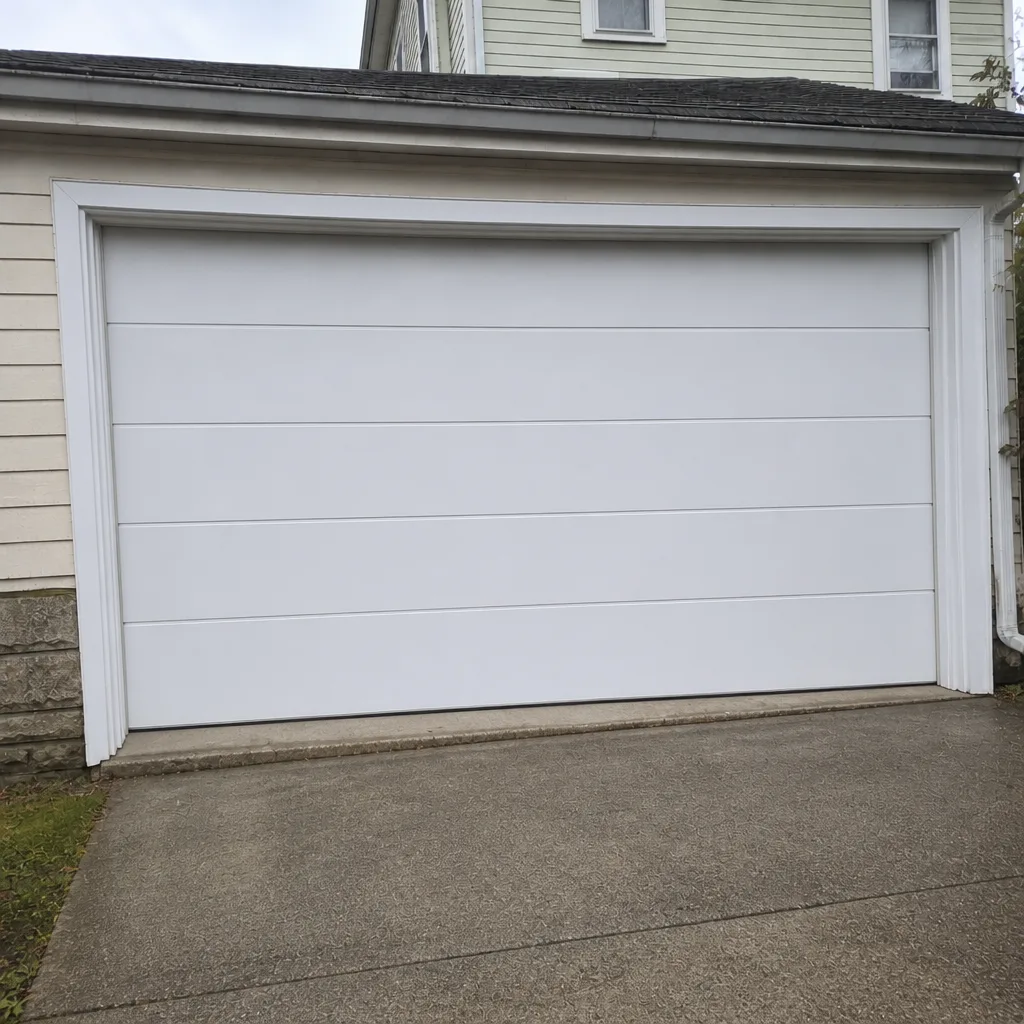
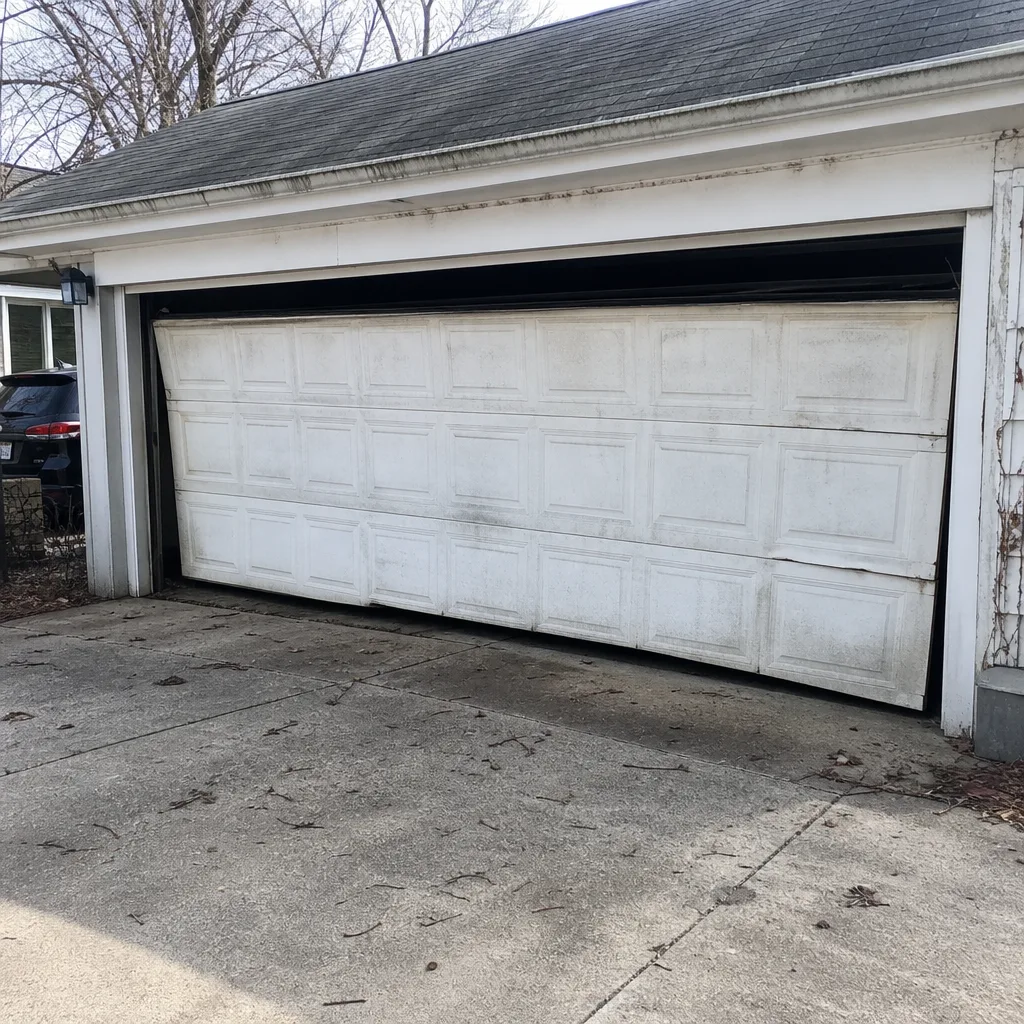
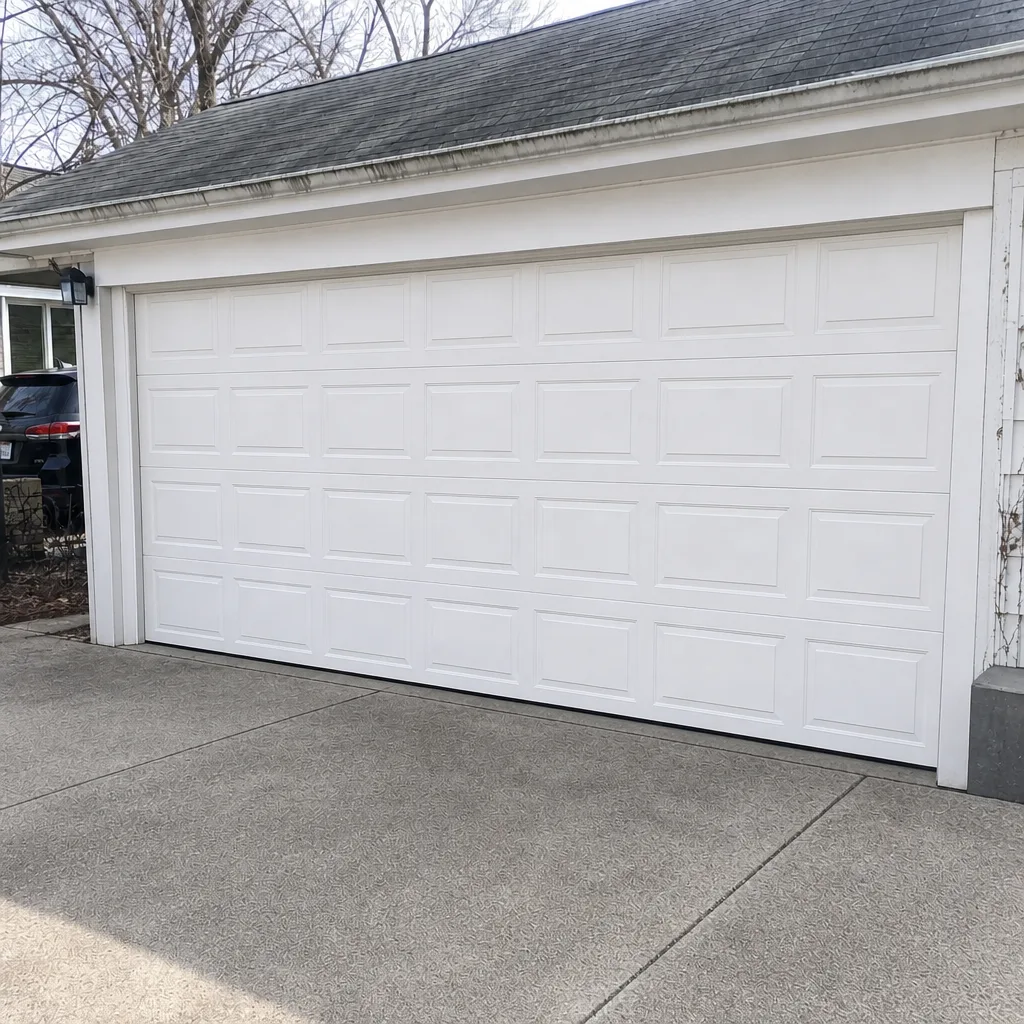
See the difference
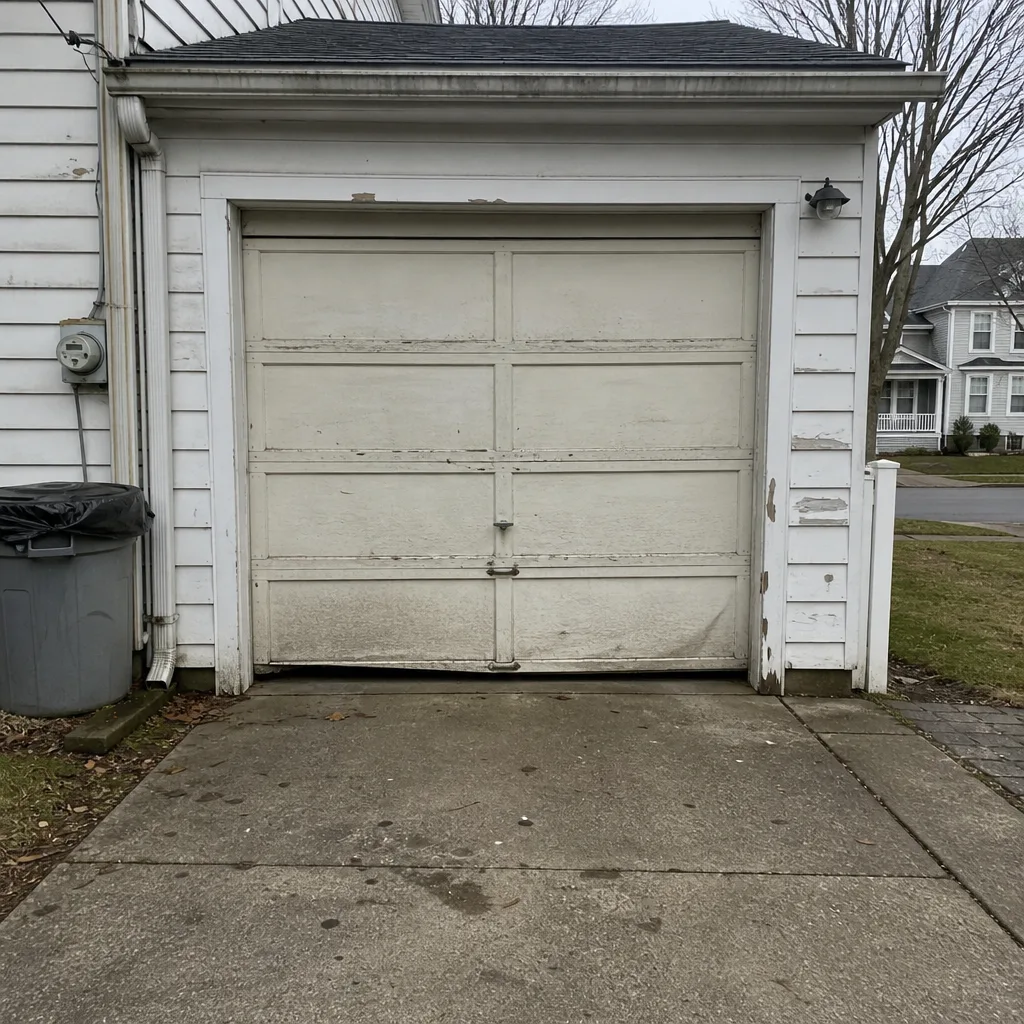 Before
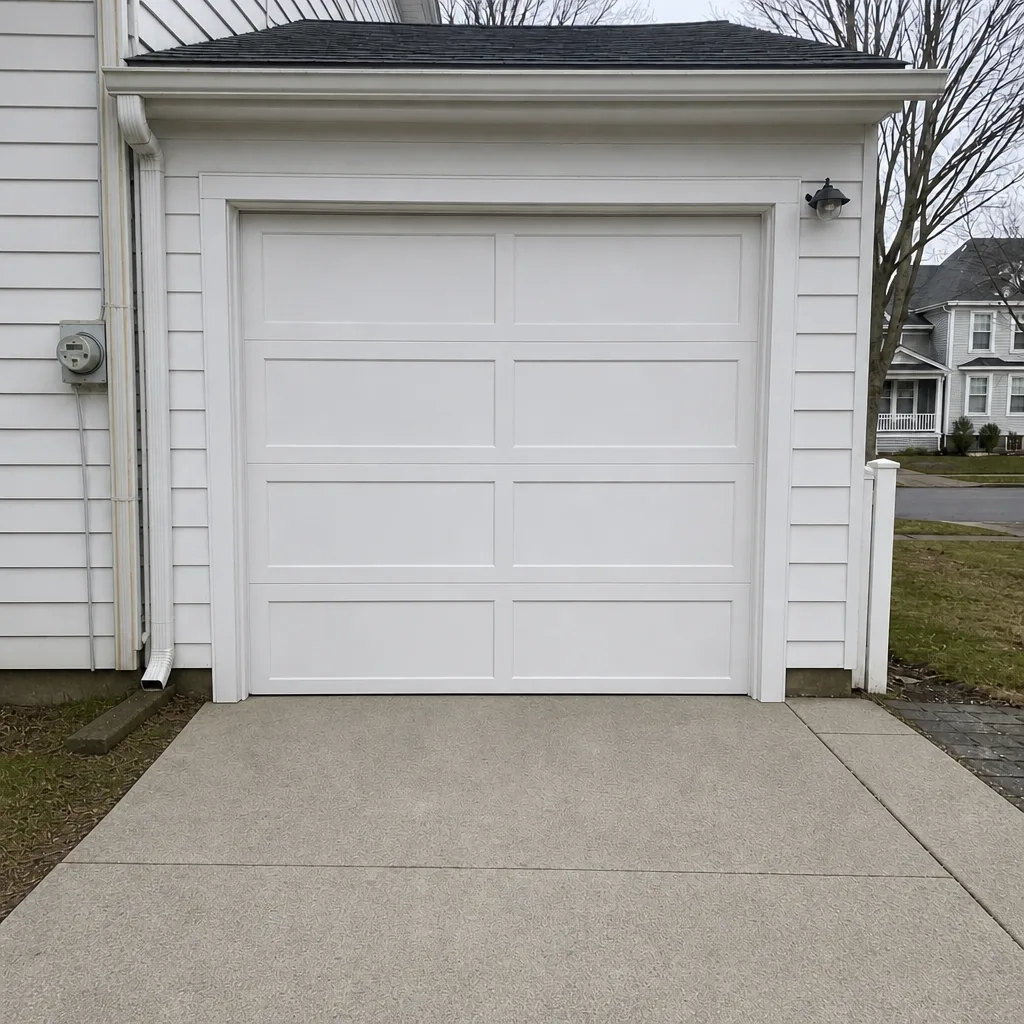 After
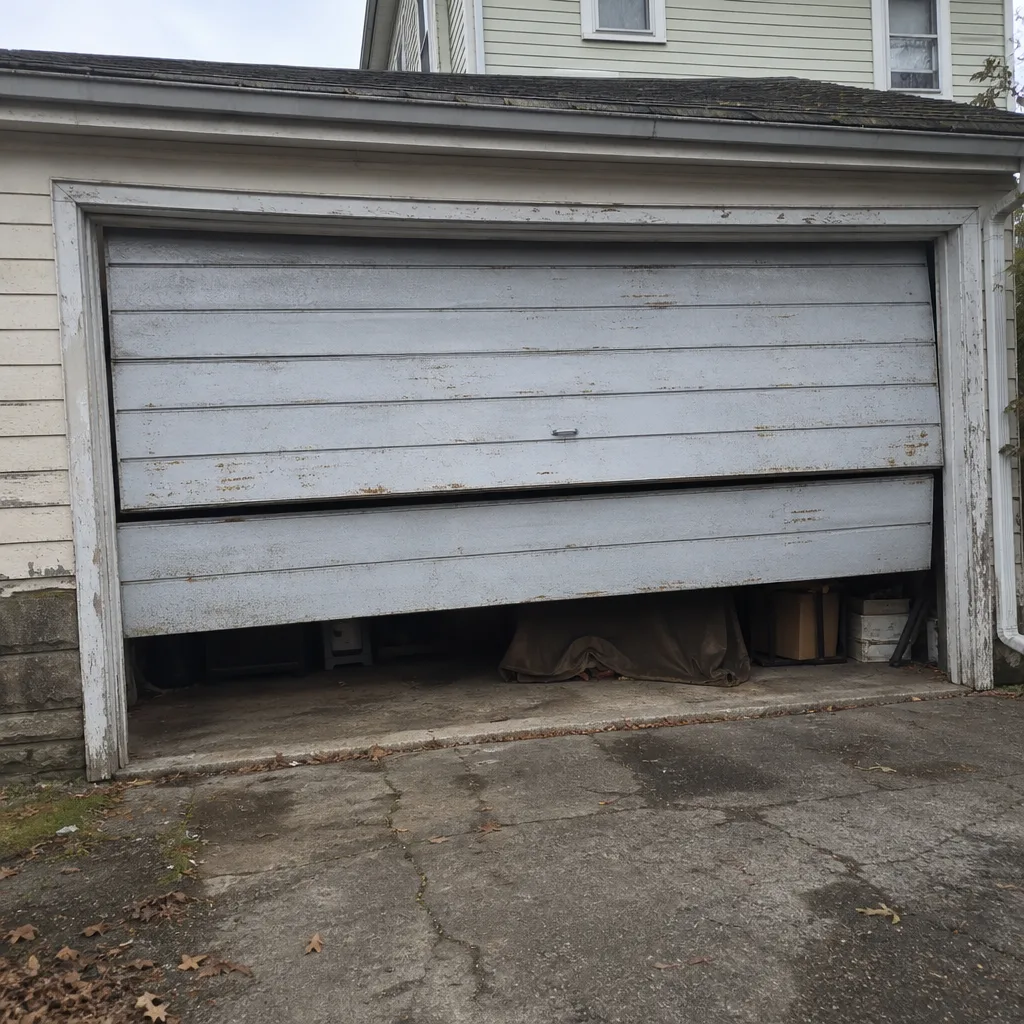 Before
 After
 Before
 After