
Last updated November 21, 2026
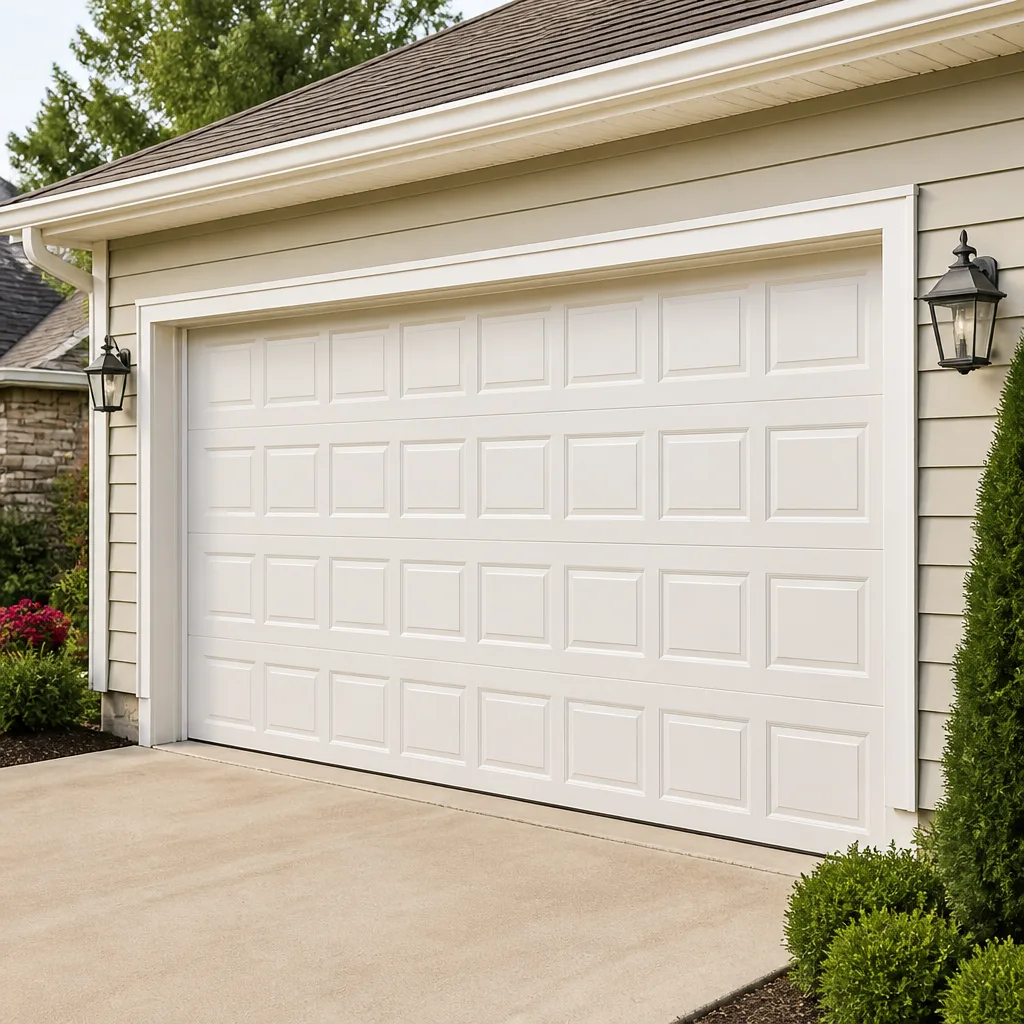 Raised-panel steel
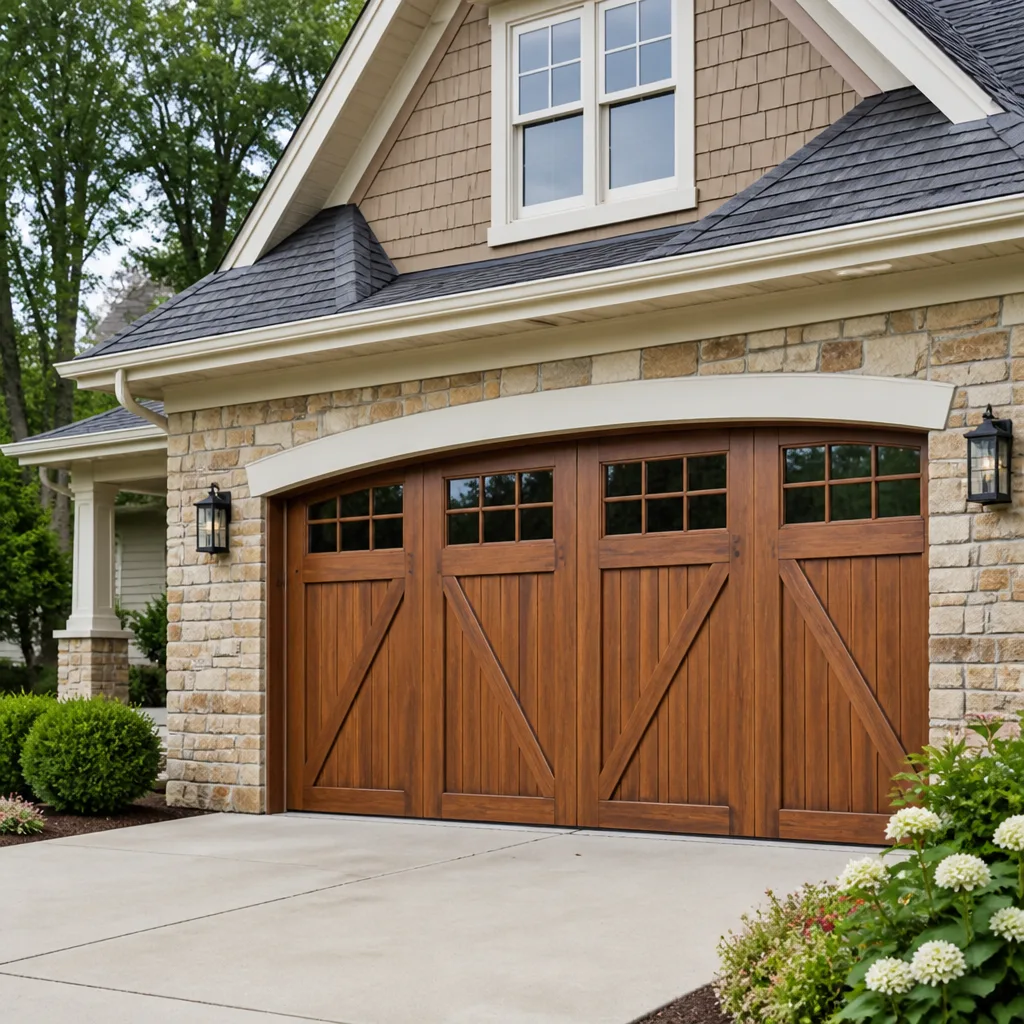 Carriage house
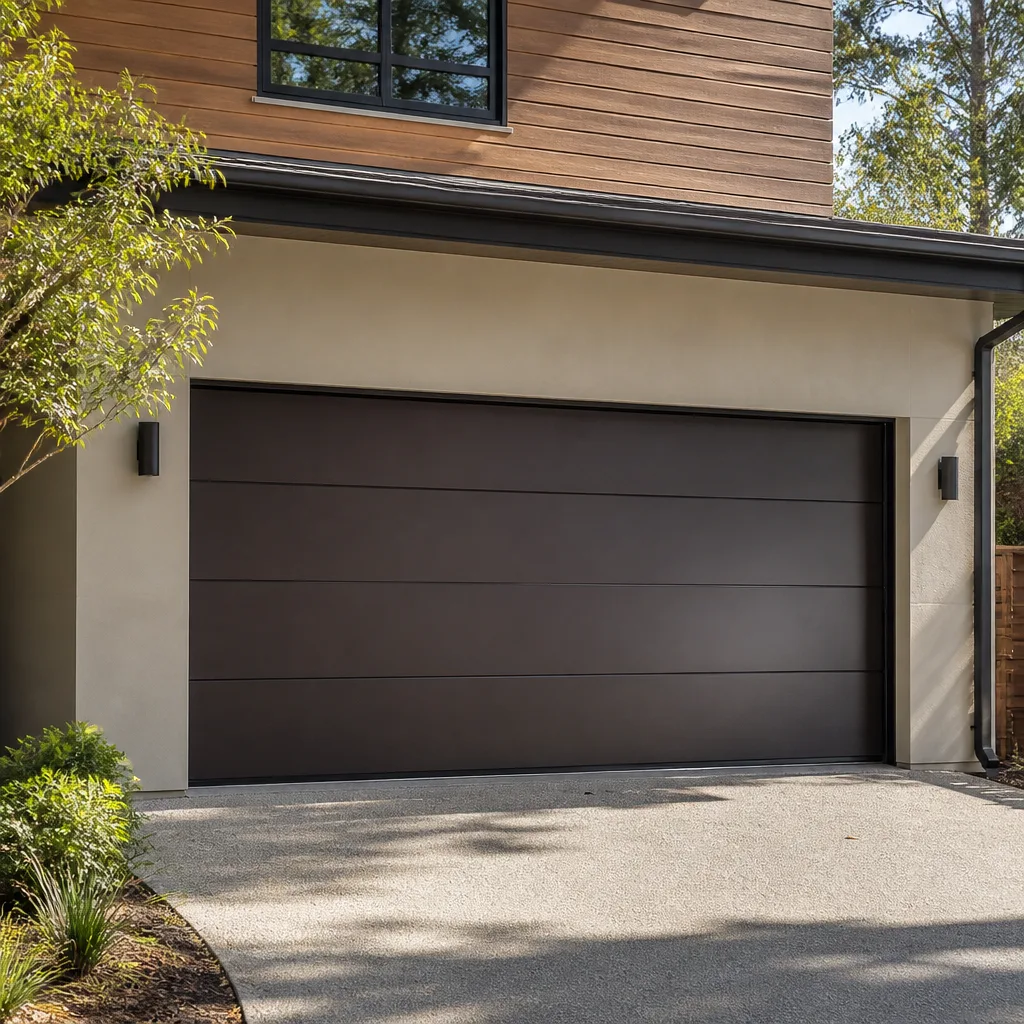 Modern flush
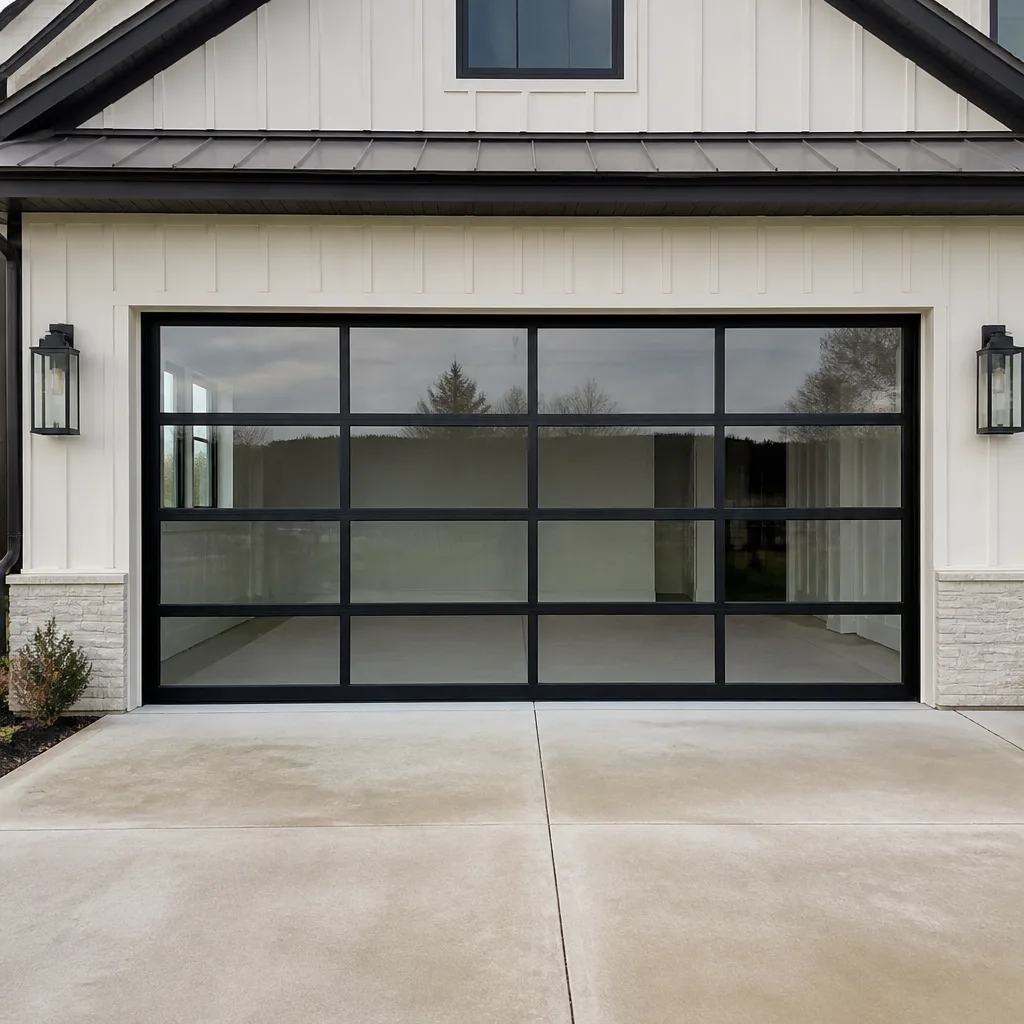 Full-view glass
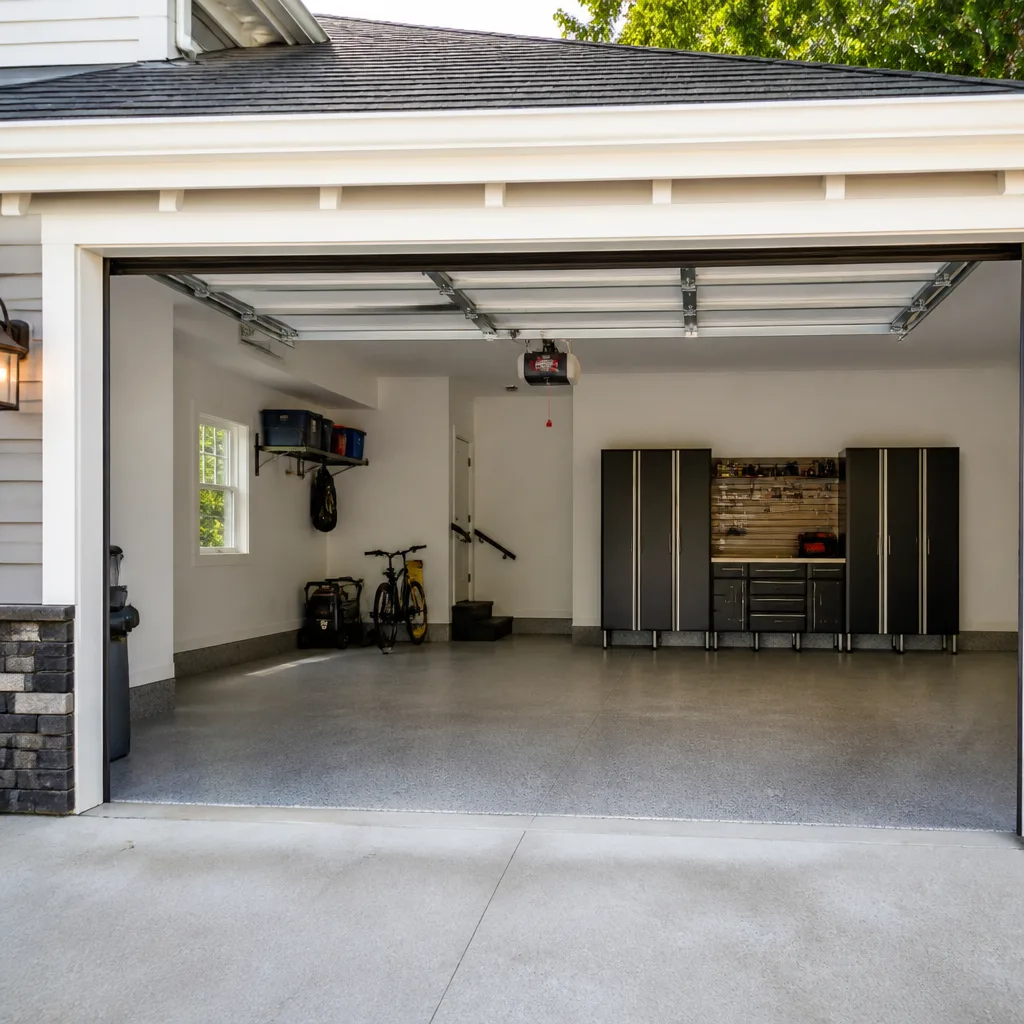 LiftMaster openers
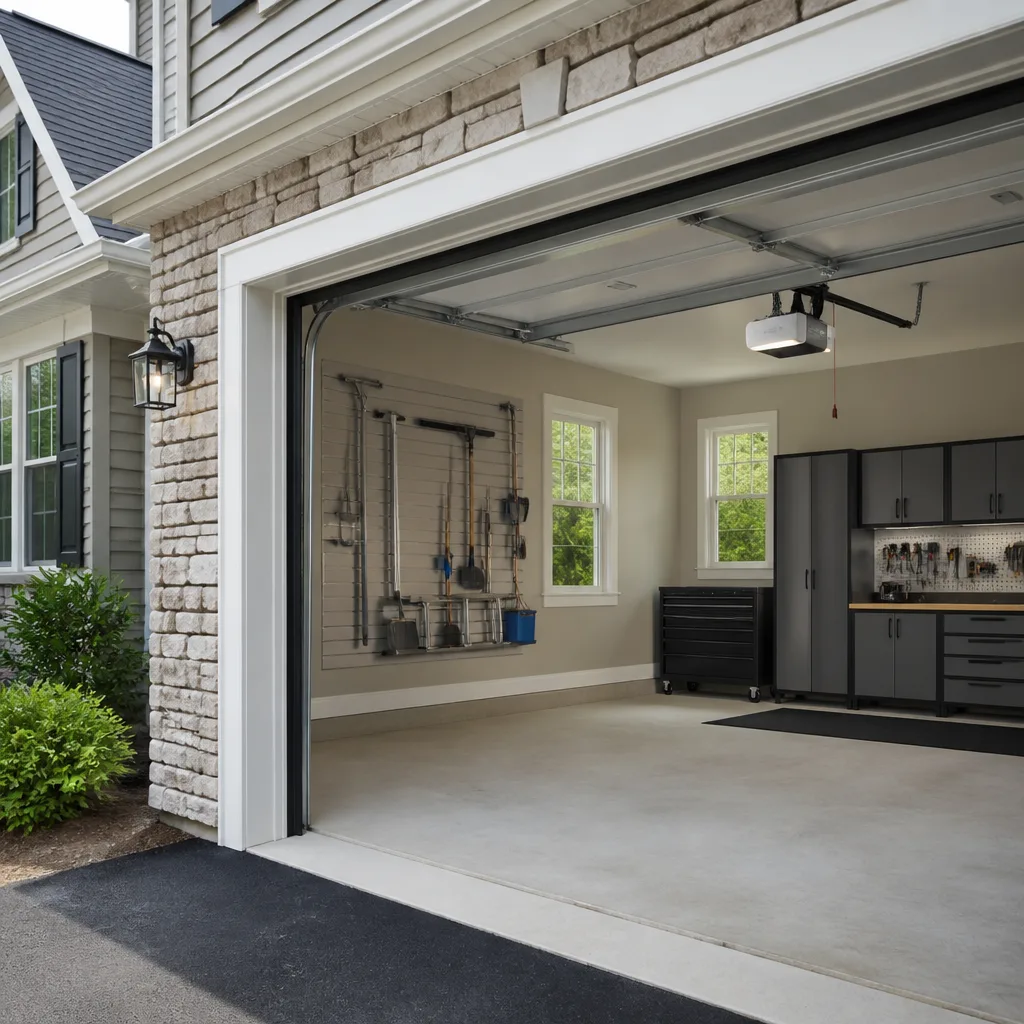 Chamberlain openers
Full 25-point door and opener safety check with every visit - springs, cables, rollers, tracks, and your LiftMaster or Chamberlain opener included
You get a price before we start. It does not change when the pro arrives.
Get your free estimateGarage Door Warning Signs: A New Haven Homeowner’s Reference Guide
The thing most homeowners get wrong about a slow or noisy garage door is the assumption that gradual decline is normal. It isn’t. A door that hesitates before it lifts, grinds through the first foot of travel, or shudders on the way down is telling you something specific about which component is failing, and the message is usually readable weeks before the door quits entirely. That window matters. A worn roller or a dry hinge is a small repair. The same problem left to run can chew through a cable, stress the opener, or bend a track, and the invoice grows with every week you wait. In New Haven, where humidity swings, winter frost, and older housing stock all work on a door’s moving parts, hearing what the door is saying early is the difference between a tune-up and a full replacement.
Quick Answer
The main warning signs of a failing garage door are unusual noises (grinding, squeaking, banging, rattling), uneven or slow movement, visible sagging or gap in the panels, a door that reverses before closing, and a photo-eye or opener that behaves erratically. Grinding and banging usually point to springs, cables, or track alignment and mean stop using the door; squeaking and mild rattling are early friction signals you can schedule service for. In New Haven’s humid summers and freezing winters, rust at the hinges and warping at the bottom panel are two of the most reliable early indicators.
Styles & brands we work with
- Raised-panel steel
- Carriage house
- Modern flush
- Full-view glass
- LiftMaster openers
- Chamberlain openers
Table of Contents
- What Each Garage Door Sound Is Telling You
- Visual Warning Signs Specific to New Haven Conditions
- The Slow-Down Test: Measuring Uneven Movement
- Stop Using the Door Now vs. Schedule Service Soon
- How to Describe a Warning Sign So You Get the Right Parts
- Brand-Specific Signals: LiftMaster, Chamberlain, Genie, Clopay
- A Seasonal Warning-Sign Checklist for New Haven Doors
What Each Garage Door Sound Is Telling You
Sound is the most useful diagnostic tool you have, and it’s free. Every garage door problem makes a distinct noise, and mapping the noise to the component is how a technician narrows a repair down before anyone touches a wrench. Here’s how we translate the four most common sounds.
Grinding. A low, gravelly grind points to metal-on-metal contact, usually worn rollers, a torsion spring beginning to bind, or a cable that’s jumped its drum. Grinding is one of the sounds that means stop using the door. Running a door with a compromised cable or spring can snap a component and send it across the garage.
Squeaking. Squeaking is friction, and friction is usually the cheapest fix in this guide. Dry hinges, worn nylon rollers, and a torsion bar that hasn’t been lubricated will chirp on every cycle. It’s also a warning that the opener is working harder than it should. Left alone, that extra strain shows up later as a burned-out motor.
Banging. A single loud bang, especially at the start of a cycle, points to a torsion spring that has broken. Don’t lift the door to test it. Call a technician. This is a spring problem, and spring repair done safely is not a homeowner job.
Rattling. Rattling is often a loose bolt, a worn hinge, or a panel that has worked its way out of its stile. It’s rarely an emergency, but it’s a good early signal that the door’s hardware needs tightening and inspecting. In New Haven’s older garages, rattling frequently comes from fasteners loosened over many freeze-thaw cycles.
If the sound is new, note when it happens: on opening, on closing, or only in cold weather. That timing detail is going to be the first question a good technician asks.
Visual Warning Signs Specific to New Haven Conditions
New Haven’s climate is hard on garage doors in a specific way. The summers are humid enough to sit in the wood and steel overnight, and the winters bring repeated freezes that stress every seal at the bottom of the door. You won’t see the same wear pattern here that you’d see in a dry climate, so it’s worth knowing which visual signs are native to this region.
Rust patterns at the hinges and the bottom track. Humidity collects on the low points of a door, and the hinges and the bottom track are the low points. A thin orange haze on the hinge pins and a brown line along the track are early friction signals. The corrosion itself is cosmetic until it starts binding the hinge and forcing the opener to strain. This is one of the most common garage door repair calls we handle in New Haven.
Panel warping from humidity. Wood and composite panels take on moisture and swell, and steel panels trap condensation against the back of the panel. Look for a door that has bowed very slightly at the center or a bottom panel that has started to cup. A warped panel no longer seats flush with the weatherstripping, and the gap lets more water in next time.
Frost damage to the bottom seal. When a rubber bottom seal freezes in the track and the door comes down on it, the seal tears or flattens. Check the bottom seal after the first hard freeze: a torn seal leaves a gap that lets in water, and water in the track is what causes the rust pattern above. The right fix is a new seal, not a new door.
If you’re sampling the door by eye, this is a 60-second check. If you find two or more of these signs, that’s a good reason to have someone look at the whole system.
The Slow-Down Test: Measuring Uneven Movement
Most people know when their door sounds wrong. Far fewer notice when it moves wrong, and movement is where the earliest and most useful signals live. A door that hesitates for two seconds before lifting isn’t “just getting old.” That hesitation is measurable, and exactly where it happens tells you what’s fatigued.
Here’s a simple way to check. You don’t need tools.
- Watch the first foot of travel. From a fully closed door, press the opener and watch the first few inches. If the door hesitates before moving, or the first foot is noticeably slower than the rest, that’s a spring tension or friction problem.
- Time the full open and full close. Most residential doors should move at roughly the same pace through the whole cycle. Listen for the moment the pace changes. A door that speeds up or slows down mid-travel is fighting uneven resistance, usually a track or roller.
- Watch the bottom edge. The bottom panel should stay level as it rises. A door that tilts, with one side arriving at the header before the other, has a cable or spring on one side losing tension.
- Run the reverse test. Lay a small piece of cardboard in the door’s path and close the door. It should reverse on contact. If it doesn’t, stop and call for service. This is a genuine safety issue, not a maintenance item.
- Repeat on a cold morning. New Haven’s winter cold thickens grease and stiffens seals. If the door is fine in July and sluggish in January, note it. That’s a lubrication and tension question, and the technician needs to know.
What the test reveals is either resistance (friction, worn rollers, misaligned track) or a tension imbalance (spring or cable). Those are different repairs at different price points, which is exactly why acting early beats waiting for a failure. For a stuck door or a door that reverses every time it hits the ground, the fix is usually something our team can handle in a single visit through garage door repair.
Stop Using the Door Now vs. Schedule Service Soon
Not every warning sign is an emergency, and treating them all the same wastes money. Knowing which signs mean “stop today” and which mean “call this week” is the practical heart of this guide.
Stop using the door immediately if:
- A loud bang has come from the torsion bar, or you can see a spring that has visibly separated.
- A cable has come off the drum or hangs slack on one side.
- The door has dropped or dropped on one side and no longer sits level.
- The door won’t reverse when it meets an object, or the photo-eye is broken and the door won’t stay closed.
- A panel has cracked and the door sags in the middle.
- You can lift the door by hand from the middle and it won’t stay put – a balanced door stays where you leave it.
Schedule service this week or next if:
- The door squeaks or rattles but still opens and closes fully.
- Rust is visible on hinges or the bottom track, and the door runs smoothly.
- The door is slower than it used to be but moves evenly.
- A hinge has loosened and the door shudders slightly.
- The remote or wall control takes two presses to respond.
- The bottom seal has flattened or torn (a small leak, not a safety issue).
Springs, cables, and the counterbalance system are the most dangerous parts of the door to touch. A torsion spring holds enormous stored force, and it will release with no warning. That’s why spring repair done safely is a professional job, and why we tell people plainly not to try it. If you’ve found a broken spring, the safest move is to leave the door where it is and call. Our team handles garage door spring repair as a specialty, and the door stays off-limits until it’s fixed.
One note on New Haven summers and the reverse test: after rain, the door’s bottom seal can stick to the floor slightly, and that can mimic a failing safety sensor. If you notice the reverse behaving oddly only after wet weather, note that so a technician can check the seal and the sensor before assuming a repair.
How to Describe a Warning Sign So You Get the Right Parts
The single best thing you can do to keep a repair to one visit is describe the warning sign well when you call. A technician who knows the sound and the timing before arriving can bring the right rollers, the right spring rating, or the right track section. Here’s a short script of what we ask.
- Name the sound and where it comes from. “A grinding noise from the top of the door, on opening.” That sentence points to the torsion spring or the top rollers. “A rattling from the bottom left” points to a hinge or track.
- Say when it happens. On opening, on closing, only in the morning, only after rain. Timing is the second half of the diagnosis.
- Describe the movement, not just the sound. “It goes up about a foot, stops for a second, then continues.” That’s a tension or friction report. “It’s slower on the left side” is a cable or spring report.
- Give the door’s brand and approximate size. A garage door opener repair call for a LiftMaster or a Chamberlain will need a specific model and a specific unit, and knowing the brand ahead of the request means the right part arrives first.
- Tell us what’s happened recently. A new noise after a cold snap is different from a new noise after you’ve been away for a month. Context changes the diagnosis.
This is also why knowing your door and opener brand matters. A door is not a universal system – the springs, drums, and opener mounting differ across manufacturers. When we know up front that it’s a LiftMaster, a Chamberlain, a Genie, or a Clopay, our technicians go to the right parts first instead of guessing. That’s the “one call, one visit” outcome most people actually want, whether it’s emergency or planned.
Brand-Specific Signals: LiftMaster, Chamberlain, Genie, Clopay
Most of the warning signs above are universal. A few are specific to the brand, and it’s worth knowing which ones apply to your system so you can describe the problem accurately.
LiftMaster and Chamberlain openers. These two share much of their internal design, and both can flash a diagnostic code on the wall control or the ceiling unit when a sensor is blocked, a travel limit has drifted, or a motor is drawing too much current. A door that travels a few inches and stops is often a travel-limit or sensor issue, and the flash code on the unit points to which. The fix is usually a realignment and re-calibration rather than a new motor.
Genie openers. A Genie that reverses on its own or stops short of the fully closed position is often losing a signal from the safety sensors or hitting a pressure sensitivity threshold. Because Genie models vary widely in control layout, the model plate on the motor matters more than the name. Read it off and note it before calling.
Clopay doors. Clopay’s panel and track designs are common in New Haven residential installs, and the panel construction matters for two warnings: panel warping after a humid summer, and bottom seal wear after a hard freeze. If your Clopay door has started to bow or the bottom seal has flattened, the fix is usually a panel or seal replacement rather than a new system.
The practical point is that a garage door specialist trained on these brands can usually tell you over the phone whether the visit needs a part on hand. A general handyman often cannot, which is one reason garage door repair in New Haven ends up being a two-visit job when it doesn’t need to be.
A Seasonal Warning-Sign Checklist for New Haven Doors
The best defense against a garage door failure is a five-minute look at the right time of year. New Haven’s seasons drive different problems, so the check that matters in July is not the one that matters in January. Use this list twice a year.
- Late spring, after the wet season: Check for rust at the hinges and the bottom track, and look for swelling or cupping at the bottom panel. Run the door and listen for a new squeak.
- Early summer: Wipe down the tracks and check the rollers. Move the door by hand (safely, with the opener disengaged) and check that it stays put – that’s your balance check.
- Early fall, before the first freeze: Check the bottom seal for cracks or flat spots. A torn seal lets cold air in and freezes in the track. Lubricate the hinges and the torsion bar spring lightly.
- After the first hard freeze: Run the door slowly and listen. Cold stiffens seals and grease. If the door hesitates or runs unevenly, schedule service before the problem has a season to get worse.
If you want a more thorough review, our team can look at a door in New Haven through a scheduled visit, not just an emergency call. Our technicians have up to 13 years of experience, and they can tell you whether the problem needs a repair and when the door is ready for replacement. This is also the moment to ask the question several owners ask: do I repair or replace? If the door is old, warped, and the springs are near the end of their life, a full new-door installation may make more sense than chasing repairs. Our New Haven Garage Door Repair Pros team handles both repairs and full installation, so one company can see the job through.
Common Mistakes to Avoid
- Treating a hesitation as normal aging. A door that ran smoothly last year and now stutters is showing a specific problem. “It’s just getting old” is exactly the sentence that turns a small repair into a larger one. If the timing has changed, get it looked at.
- Trying to fix a broken spring yourself. Springs, cables, and the counterbalance system store dangerous force even when the door is down. The safety risk outweighs any cost saving you can imagine. Leave these to a trained technician.
- Ignoring a tear in the bottom seal. In New Haven, a torn seal is the entry point for water, and water in the track is what drives the rust pattern that costs more later. Seal replacement is cheap. Track and hinge replacement is not.
- Assuming the opener is the problem when it’s the door. A door that hesitates is more often a spring, track, or roller issue than a failing motor. Replacing a good opener won’t fix a door that is binding. Have the door checked first.
- Running the door with a visible cable off its drum. A slack or unhooked cable can whip free with serious force. That’s a stop-using-the-door-right-now signal. No exceptions.
- Booking a tune-up and describing nothing. The more specific your description – sound, timing, brand, model – the more likely the technician arrives with the right parts and the job finishes in one visit.
- Skipping the reverse test. A door that doesn’t reverse on contact is a safety failure, not a quirk. If a yard toy or a child could be in the door’s path, the reverse test is not optional. Test it once a month.
See the difference
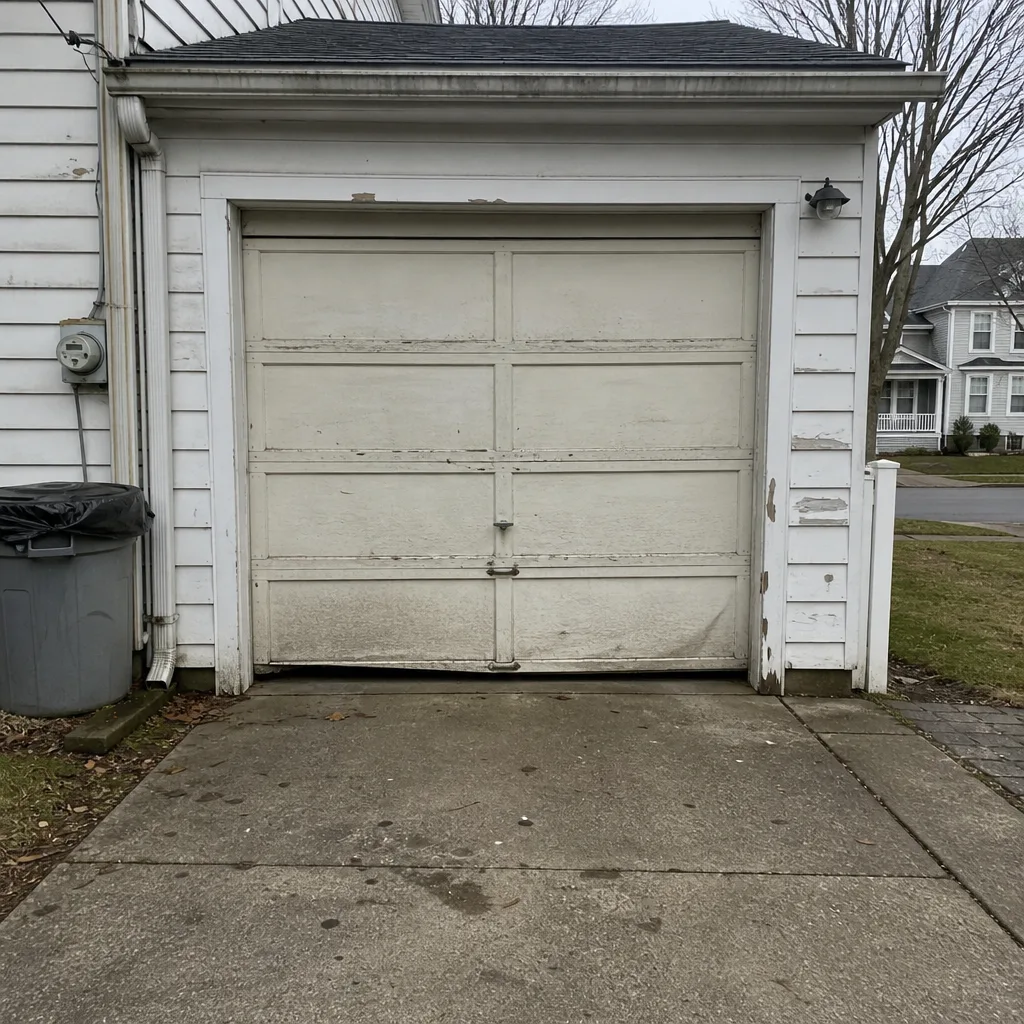 Before
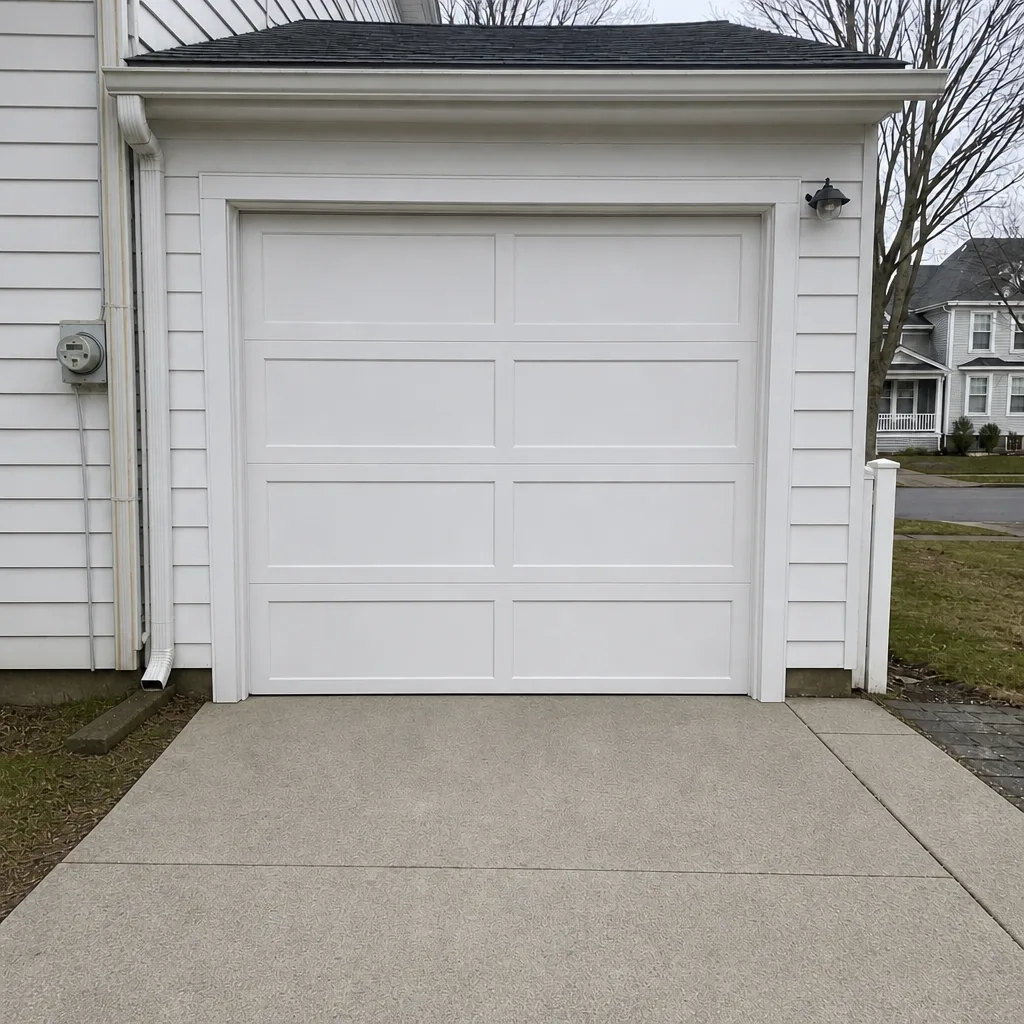 After
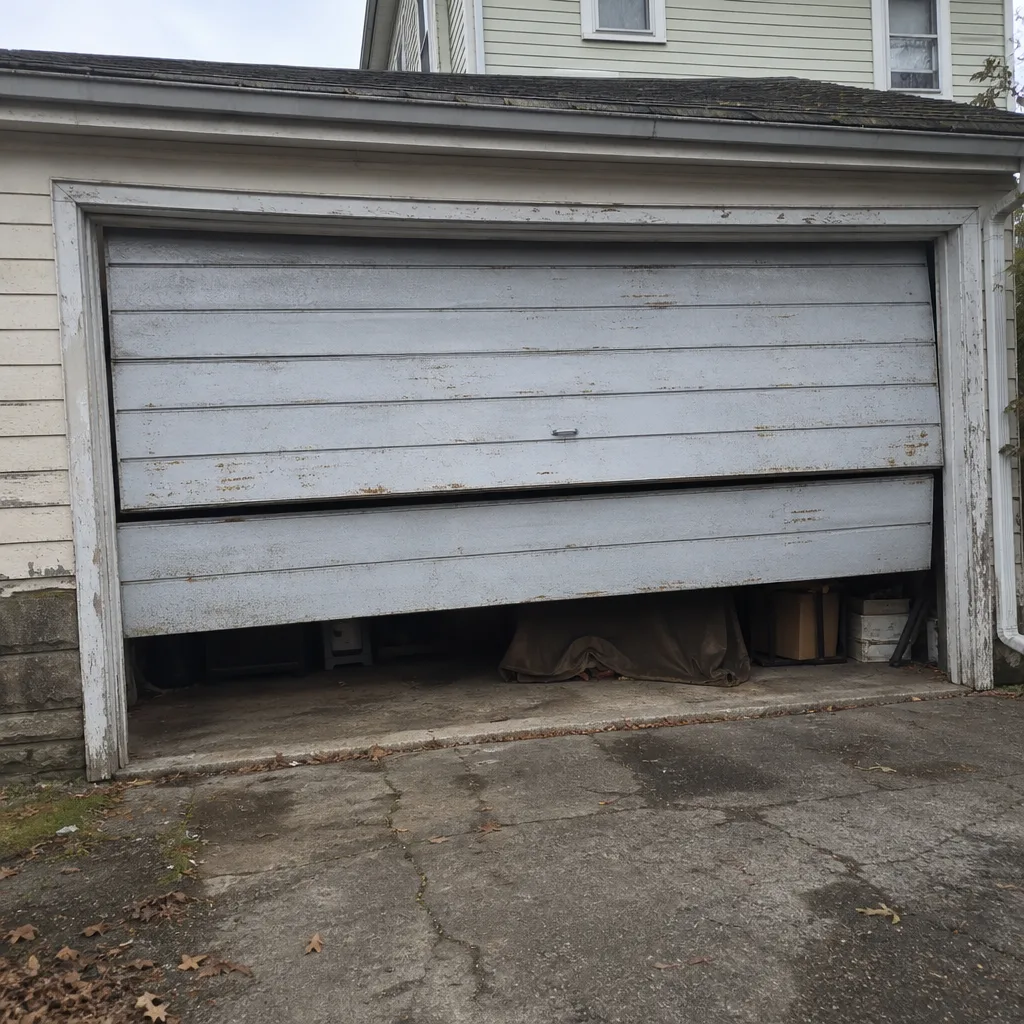 Before
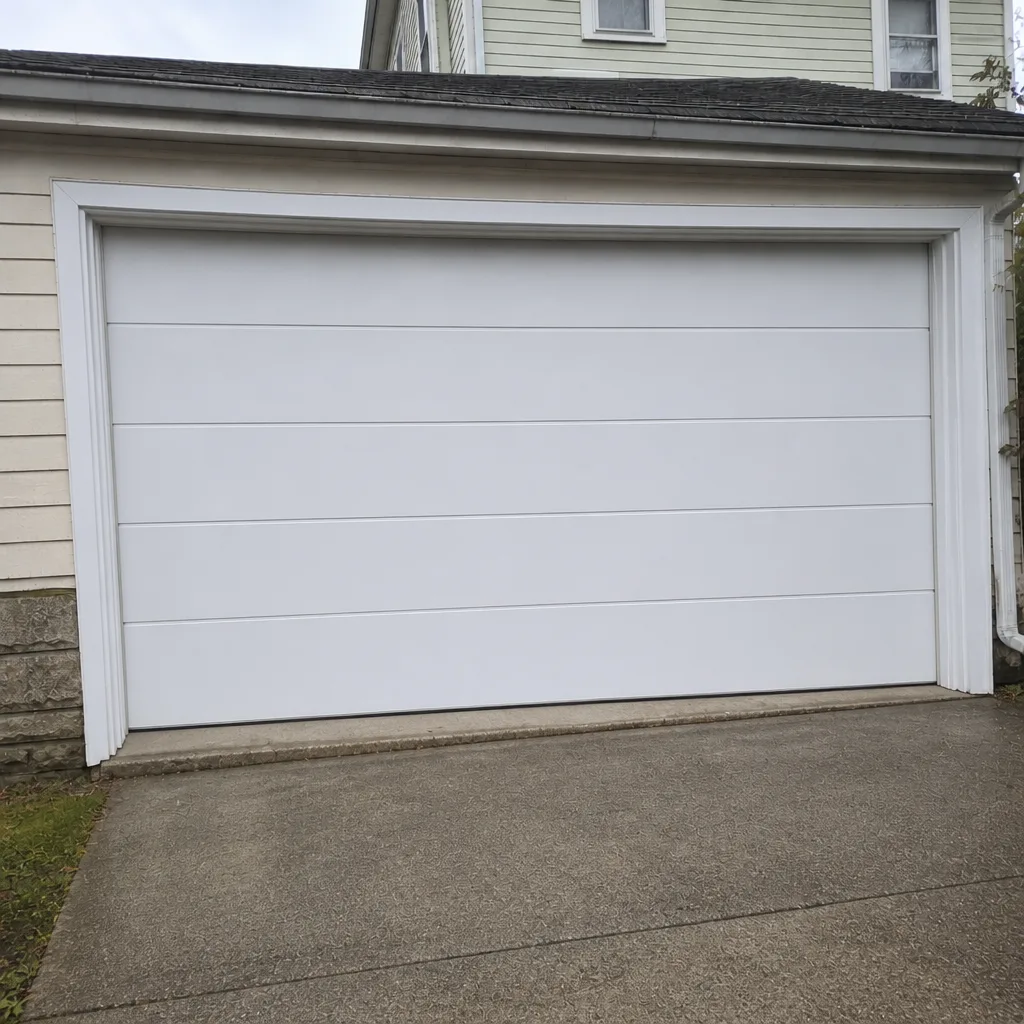 After
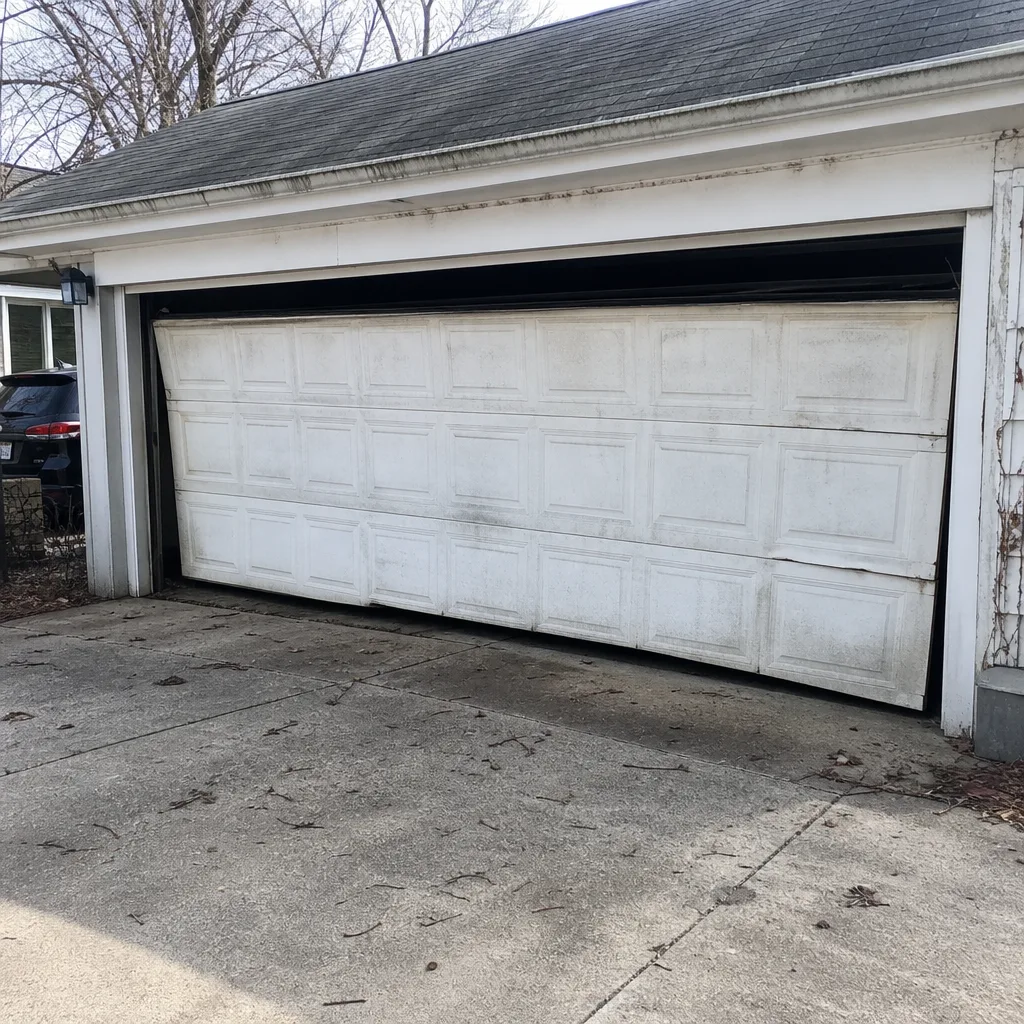 Before
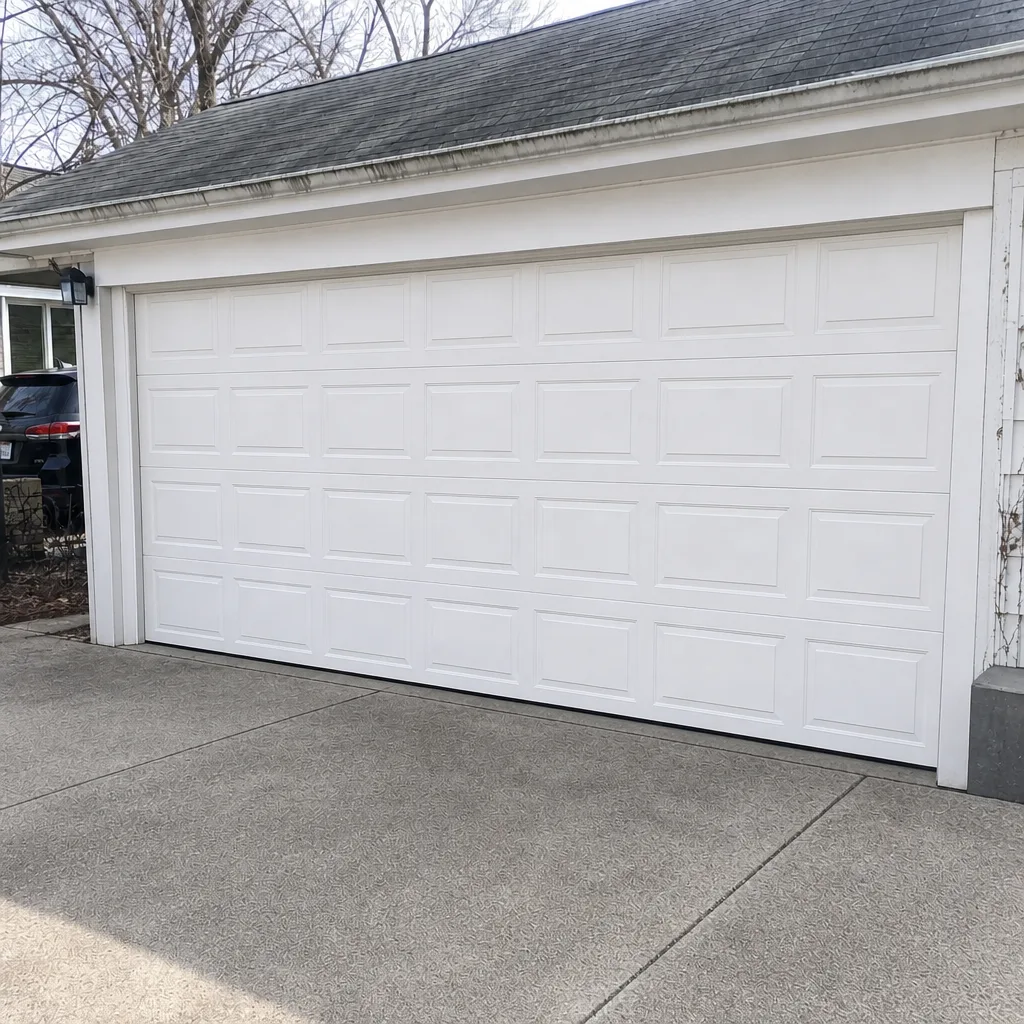 After
When to Call a Professional
Call a professional when any warning sign touches the counterbalance system (springs and cables), when the door fails the reverse test, when it has dropped or tilted on one side, or when the track has bent and the door is rubbing. Those are not jobs to chase with a screwdriver. For squeaks, rattles, worn rollers, a loose hinge, or a door that’s just slow but even, the right move is to schedule a tune-up so the wear gets caught before it becomes a repair. New Haven Garage Door Repair Pros offers free estimates in New Haven, so you can have a technician walk the door with you and tell you exactly what’s happening before anything is touched. Call (877) 492-2068. We answer 24/7. Fast dispatch from 7am to 7pm, Sunday through Friday. And if the door has already failed, don’t wait it out – emergency garage door service is exactly what we’re set up for, with the price quoted and agreed before any work starts.
Frequently Asked Questions
The most common warning sign we see in New Haven is a new grinding or squeaking noise that starts in the hinges and bottom track after a humid summer. It’s usually rust and dry lubrication creating friction, and it’s an early, inexpensive fix. If the noise is a single loud bang from the torsion bar, that’s a broken spring and the door should not be used. Call (877) 492-2068 for an exact quote – estimates are free.
You can handle the harmless ones: squeaks, rattles, visual inspections, and a monthly reverse test. You should not touch springs, cables, or the counterbalance system. Those hold dangerous stored force and are the top cause of garage door injuries. Anything involving a broken spring, a slack cable, or a door that has dropped means call a professional. Spring repair done safely is a job for a trained technician.
A door that’s structurally sound (panels straight, tracks aligned, no sag) usually needs repair, even if the repair list is long. Replacement makes more sense when panels are warped or cracked, the door is regularly coming out of balance, or the spring system has failed and the panel is already compromised. A garage door technician can walk the door with you and give you a written estimate for both options. Call (877) 492-2068. We answer 24/7. Fast dispatch from 7am to 7pm, Sunday through Friday.
A reversing door is usually a safety sensor problem, a sensitivity setting that’s too high, or an obstruction in the track. Check the photo-eye for dirt or a blockage first. If the door still reverses with a clean sensor and nothing in the path, that’s a repair. A door that won’t stay closed is also a security exposure, so don’t leave it unresolved.
No. The written estimate is the price. We quote the job, you agree to it, and the work is done at that price. If, once the door is in front of them, a technician finds something that wasn’t visible during the original description, they’ll explain it, give you a new written estimate, and wait for your approval before continuing. Nothing is done without an agreed price.
The local professionals we connect you with are state-licensed and insured as their state requires. If you have a specific question about credentials for your job, ask when you call and we’ll confirm before the visit. Call (877) 492-2068 for an exact quote – estimates are free.
The Bottom Line
A garage door rarely fails without warning. It grinds, squeaks, hesitates, tilts, or slows down, and each sign points to a specific component. The mistake that costs homeowners in New Haven the most is treating those signs as normal aging, then discovering that a small repair has become a large one. Use this guide’s tests, note the sound and the timing, and call when anything touches the springs, cables, or the safety reverse. Our team works on the major brands – LiftMaster, Chamberlain, Genie, Clopay, Amarr, Wayne Dalton, Craftsman, and Raynor – so the diagnosis starts in the right place. Whether it’s an emergency or a planned check, you get one call and one visit. Call (877) 492-2068 for a free estimate. We answer 24/7. Fast dispatch from 7am to 7pm, Sunday through Friday, and a written price agreed before any work starts.
Written by the team at New Haven Garage Door Repair Pros.