
Last updated November 21, 2026
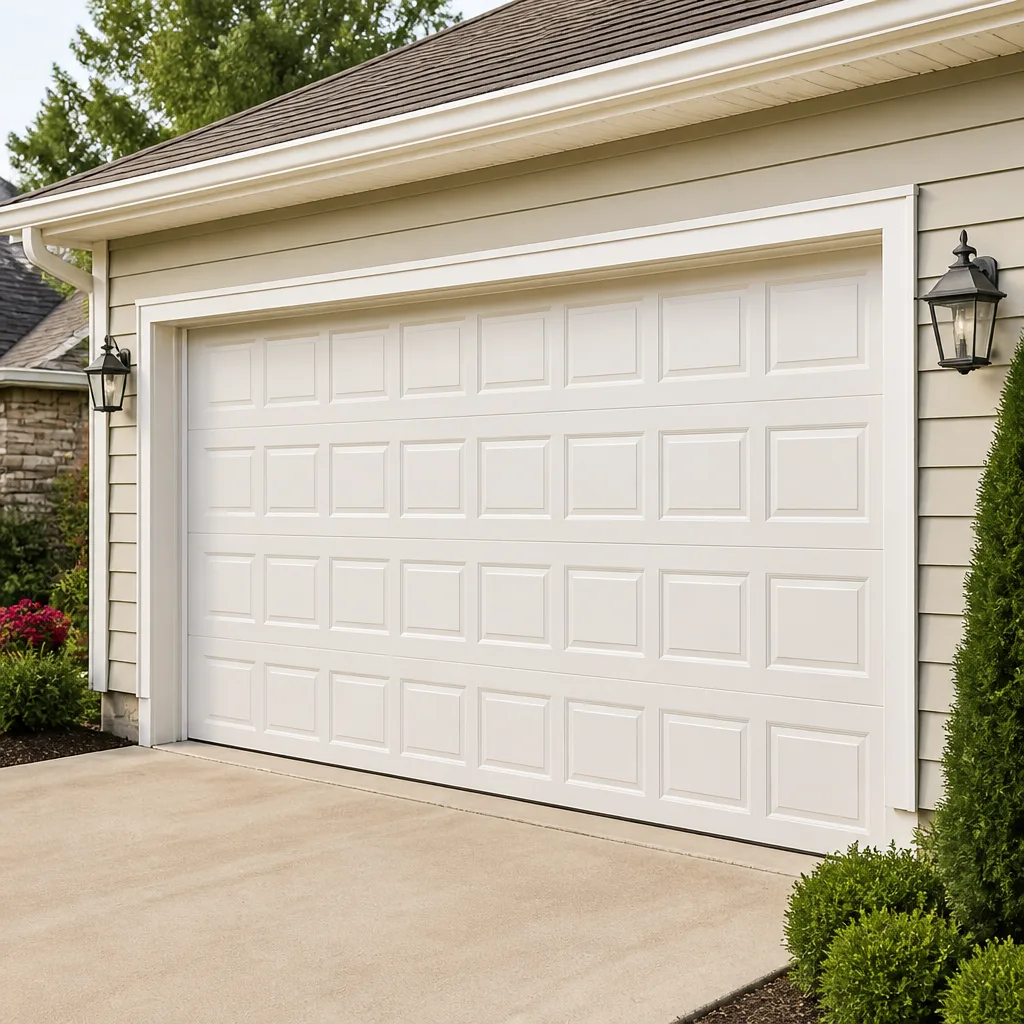 Raised-panel steel
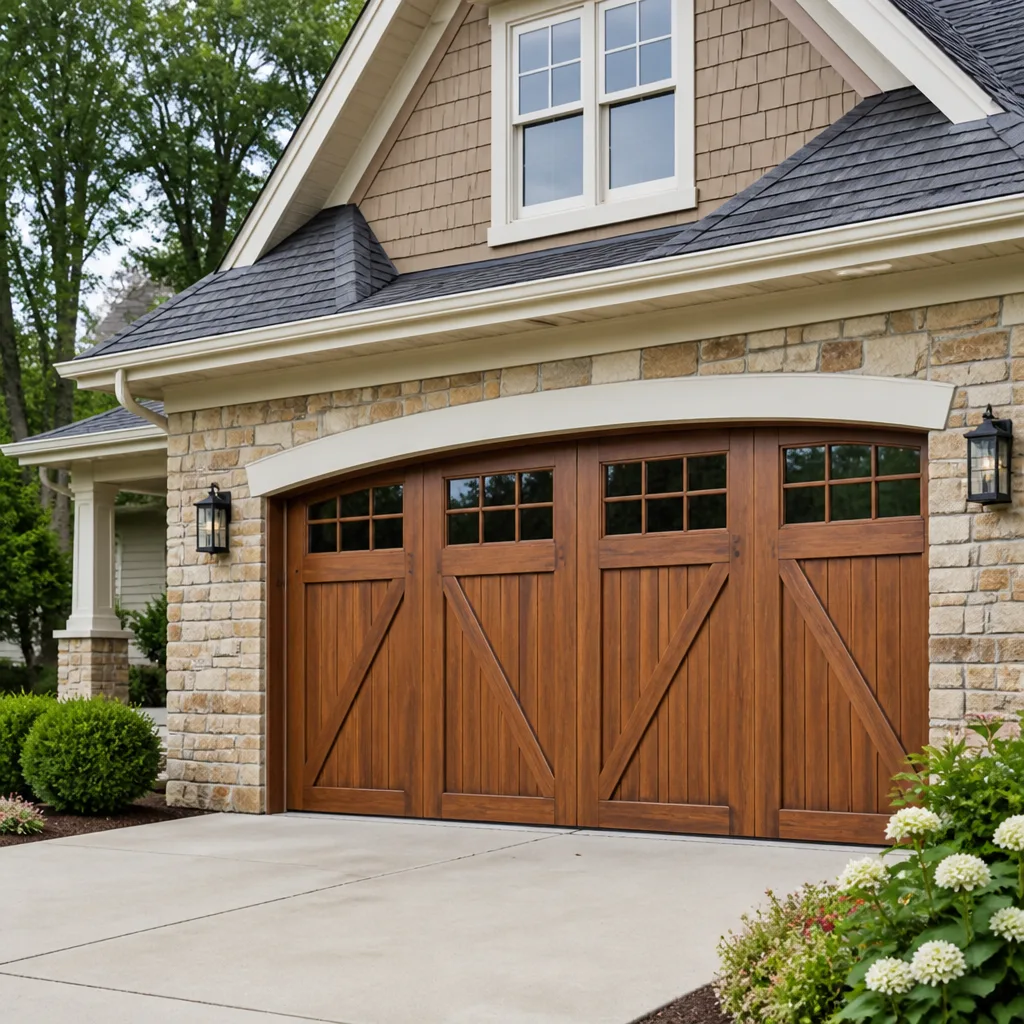 Carriage house
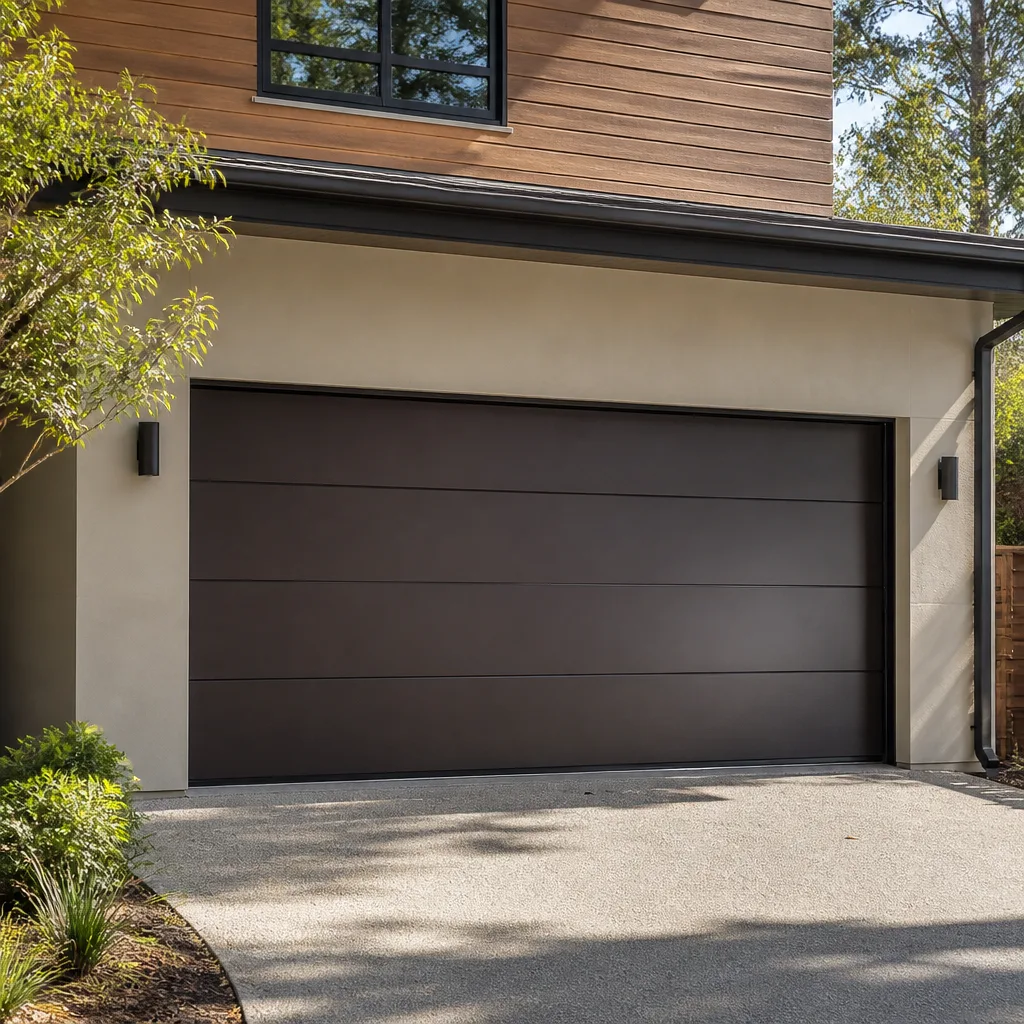 Modern flush
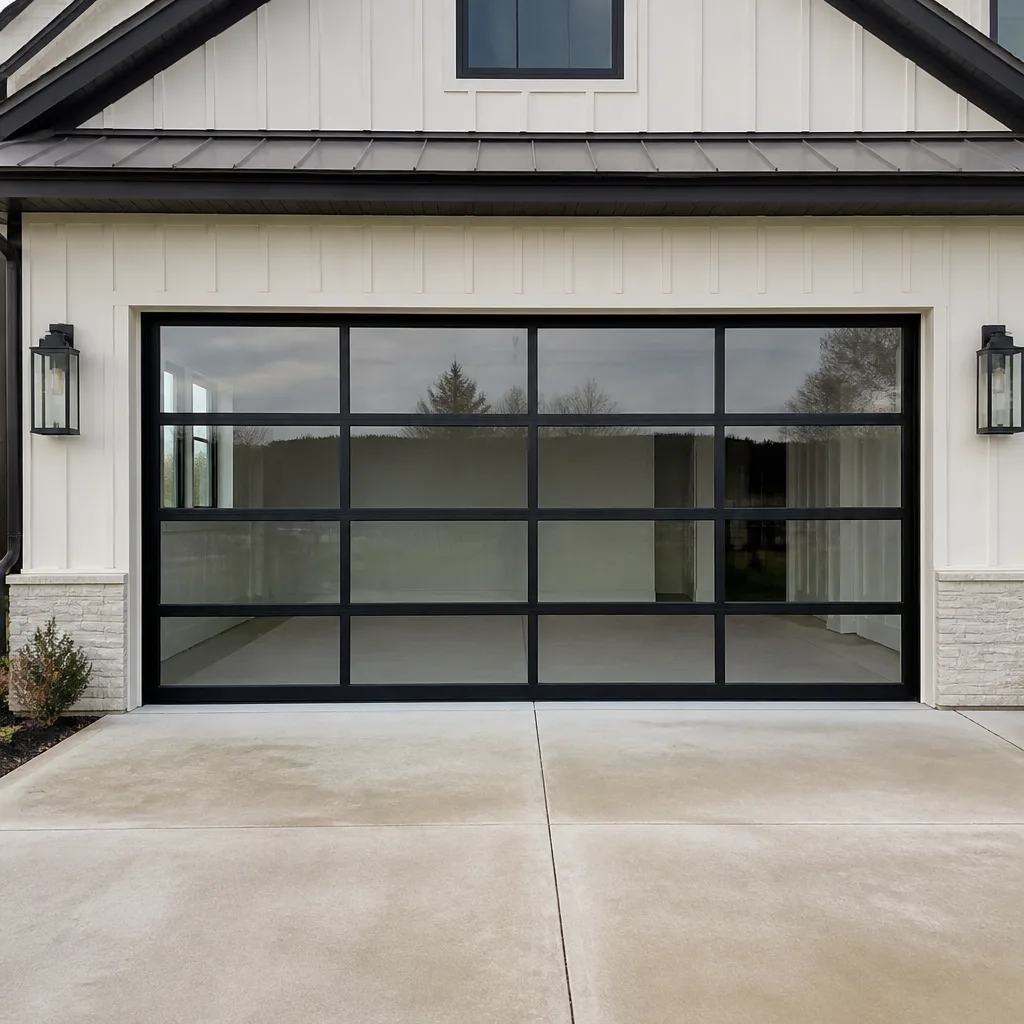 Full-view glass
 LiftMaster openers
 Chamberlain openers
Full 25-point door and opener safety check with every visit - springs, cables, rollers, tracks, and your LiftMaster or Chamberlain opener included
You get a price before we start. It does not change when the pro arrives.
Get your free estimateSeasonal Garage Door Care for New Haven: Year-Round Homeowner’s Guide
The spring that snaps in February usually started failing in October. That’s the part most homeowners miss. A garage door doesn’t break because of one cold morning – it breaks because the warning signs piled up through three seasons while nobody looked. New Haven sits in a climate band that delivers real punishment in all four seasons: nor’easters that drive rain sideways, August humidity that swells wood panels, freeze-thaw cycles that work sealant loose, and road salt tracked into the garage all winter. Each one attacks a different part of your door system. This guide walks you through what to check in each season, in what order, and which jobs you can safely handle yourself versus which ones need a trained technician.
Quick Answer
Seasonal garage door care in New Haven means a different checklist for each season: a pre-winter prep sequence in fall, freeze-specific handling in winter, a corrosion inspection in spring, and humidity and insulation work in summer. The single most skipped task – a proper spring tension check after temperature swings – is also the one that shortens spring life the most. Most New Haven garage door emergencies are slow-motion problems that seasonal attention would have caught two seasons earlier.
Styles & brands we work with
- Raised-panel steel
- Carriage house
- Modern flush
- Full-view glass
- LiftMaster openers
- Chamberlain openers
Table of Contents
- Why New Haven’s Climate Is Hard on Garage Doors
- Fall: The Pre-Winter Prep Sequence
- Winter: Frozen Doors and Struggling Openers
- Spring: Post-Salt-Season Inspection
- Summer: Humidity, Wood Swelling, and Insulation
- The Task Everyone Skips: Tension Checks After Temperature Swings
- Brand-Specific Seasonal Notes
- Common Mistakes to Avoid
- When to Call a Professional
Why New Haven’s Climate Is Hard on Garage Doors
A garage door in New Haven lives through more seasonal swing than a door in most of the country. That’s not a sales line – it’s a mechanical reality. Every material in the system expands and contracts at a different rate, and when you run a door through a genuine four-season cycle, those differences add up.
Here’s what’s actually happening to the door. In the fall, temperatures drop fast enough that metal tracks contract slightly ahead of the door panels. In winter, sub-20°F mornings make the steel stiff and the lubricant in the rollers thick. In spring, meltwater and tracked-in road salt sit against the bottom seal. In summer, humidity climbs and wood panels swell, while the heat softens the grease on the torsion bar. Each of those conditions stresses a different component. Stack them across a year and you get the kind of wear that shows up as a snapped spring, a door that won’t close flush, or an opener that grinds and then quits.
New Haven neighborhoods each add their own wrinkle. Homes near East Rock and Westville sit under heavy tree canopy, so gutters clog and water runs down behind the door frame. Downtown and Wooster Square properties deal with tighter clearances and older door openings that leave less margin for seasonal movement. In the Hill and Fair Haven, garages are often older wood-frame structures where humidity does more damage to the framing than to the door itself. None of that is catastrophic on its own. All of it compounds.
The fix isn’t complicated. It’s a rhythm – check the right things at the right time of year, before the season that stresses them arrives. The rest of this guide lays out that rhythm season by season.
Fall: The Pre-Winter Prep Sequence
Fall is the most important season for garage door care in New Haven, and it’s the one most homeowners rush. The goal is simple: get the door sealed, tensioned, and lubricated before the first hard freeze locks everything in place. Once the ground freezes, adjustments that would take ten minutes in October become a springtime project.
Work through this sequence in order. Each step prepares the door for the next one.
- Inspect the bottom seal and weatherstripping. Run your hand along the bottom seal and the side and top trim. Look for cracks, flattened spots, and gaps where daylight shows through. A seal that’s lost its flexibility will let cold air and meltwater in all winter, and it’s the cheapest part to replace before the cold hits.
- Check the door balance. Disconnect the opener (pull the release handle) and lift the door halfway by hand. It should stay put. If it drifts down or shoots up, the spring tension is off, and a technician should adjust it before winter adds stress.
- Look at the cables. With the door closed, examine both lift cables for fraying, kinks, or slack. Cables that look worn in October are the ones that fail in January. Don’t adjust them yourself – cable tension is stored energy and it can release without warning.
- Lubricate the moving parts. Apply a garage-door-specific lubricant to the rollers, hinges, and torsion bar bearings. Skip the tracks themselves – grease attracts grit and makes the door sluggish.
- Test the safety reverse. Put a roll of paper towels under the closing door. It should reverse on contact. This is the check most homeowners skip, and it’s the one that keeps the door safe when ice and snow pile up under the seal.
- Clear the gutters above the garage. New Haven’s tree cover means fall leaves land on garage roofs as readily as house roofs. Water that runs down the back of the door frame gets into the seal and the bottom panel.
If any of those checks turns up a problem, get it handled before the first freeze. If your door has been sticking or the opener has been working harder than usual, a garage door repair visit in October is a lot cheaper than one in February.
Winter: Frozen Doors and Struggling Openers
When a New Haven garage door freezes to the floor, the wrong move is to force it. That’s how cables snap and opener gears strip. The right move is to free the seal first, then let the door do its job.
A frozen door usually means meltwater got under the bottom seal and refroze overnight. The fix is patient: warm the seal along its length with a hairdryer on a low setting, working from one side to the other, and never use a chisel, hammer, or hot water to break the ice. Once the seal is free, the door should rise normally. If it doesn’t, don’t keep pulling – the problem is mechanical, not frozen, and it needs a technician.
Sub-20°F mornings are the other winter challenge. At those temperatures, the lubricant in the rollers thickens, the steel stiffens, and the opener has to work noticeably harder. You’ll notice the door moving slowly or the opener straining at the start of the lift. That’s normal in deep cold, but it’s also a signal that fall lubrication was overdue.
A few winter rules worth keeping:
- Don’t force a stuck door. If it won’t budge after the seal is freed, stop. Forcing it is how springs fail.
- Clear snow and ice from the threshold, not the door. Shovel the apron in front of the door so meltwater has somewhere to drain.
- Watch for opener strain. If the opener struggles every cold morning but works fine in the afternoon, the door is out of balance. That’s a spring issue, not an opener issue.
- Keep the photo-eye sensors clear. Snow piled against the sensors will keep the door from closing, and homeowners often misdiagnose it as an opener failure.
If your opener is the part that’s failing in the cold – grinding, reversing, or refusing to respond – that’s garage door opener repair territory, and a LiftMaster or Chamberlain unit usually just needs a technician to diagnose it properly. We answer 24/7, and fast dispatch from 7am to 7pm, Sunday through Friday, gets most winter door problems resolved the same day.
Spring: Post-Salt-Season Inspection
Spring in New Haven is when you find out what winter did. The salt and grit tracked into the garage all season has been sitting against metal since December, and meltwater has been working its way into every seam and hinge. The spring inspection is about catching corrosion before it turns into a seized roller or a rusted track.
Work through this checklist once the ground thaws and the last of the road salt is off the driveway:
- Wash the door panels and the bottom seal. A garden hose and a mild detergent are enough. The point is to get salt off the metal before it starts pitting, especially along the bottom edge where it collects.
- Inspect the bottom panel and seal for rust and cracking. The bottom panel takes the most salt exposure and it’s often the first to show damage. A seal that cracked over winter will let water in next fall.
- Check every hinge and roller for rust. If a roller is stiff or a hinge is seized, replace it now. A seized roller drags the door and puts extra load on the spring all summer.
- Examine the tracks for rust and misalignment. Run a level along each track and look for pitting or dents. Tracks that survived the winter bent will cause the door to bind.
- Look at the cables again. Road salt accelerates cable corrosion, and a rusted cable is a cable that’s closer to snapping. If you see orange staining or frayed strands, stop using the door and call a technician.
- Test the door balance and the safety reverse the same way you did in fall. If the balance has changed since October, the spring has loosened or weakened over the winter.
Spring is also the right time to look at the spring itself. If your door has been opening slowly or the opener sounds strained, the spring may be closer to failing than you think. Spring repair is a job for a trained technician – the springs hold enough stored energy to cause serious injury – but a spring inspection is inexpensive and it’s the cheapest way to avoid a February emergency.
Summer: Humidity, Wood Swelling, and Insulation
Summer is the season most homeowners ignore, and it’s the one that creates next winter’s problems. New Haven humidity climbs through July and August, and that moisture does two things to a garage door: it swells wood panels and it softens the lubricant on the moving parts.
Wood doors are the main concern. Swollen panels bind against the frame, the door starts to stick, and the opener works harder. If you have a wood door, check the bottom and side edges for swelling and re-seal any bare spots before fall. Paint and sealant are what keep humidity out, and summer is the only season when you can apply them and let them cure properly.
Summer is also the best time to address insulation. A garage door is the largest opening in most New Haven homes, and an uninsulated door lets heat in all summer and out all winter. Adding insulation or replacing a single-panel door with an insulated model is a project that’s much easier to schedule in summer than in the middle of a cold snap. If your door is old, single-panel, or showing signs of warping, this is the season to plan a replacement rather than patch it again.
A few summer-specific tasks:
- Re-lubricate the moving parts. Summer heat thins grease, so the rollers and hinges need a fresh application mid-season.
- Check for wood swelling along the bottom and sides, and sand and re-seal any spots that have opened up.
- Look at the opener’s behavior in heat. A LiftMaster or Chamberlain opener that struggles on the hottest afternoons may have a failing logic board or a door that’s binding.
- Plan any replacement now. If the door is beyond repair, a new-door installation is a measured, ordered, scheduled project – it’s not a springtime emergency.
Summer is also the right time to think about a full replacement. New Haven Garage Door Repair Pros handles repair and installation under one company, so you don’t need a second contractor if the door turns out to be past saving.
The Task Everyone Skips: Tension Checks After Temperature Swings
This is the one. The single task New Haven homeowners skip every year that shortens spring life the most is a proper tension check after temperature swings. It’s not glamorous, it takes about five minutes, and skipping it is the reason so many springs fail years earlier than they should.
Here’s why it matters. Garage door springs are calibrated to a specific door weight at a specific temperature. When the temperature swings 40 degrees – which happens in New Haven in fall and spring – the door’s weight and the spring’s tension don’t move together. The spring ends up fighting a door that’s heavier or lighter than it was tuned for, and that extra load cycles through the spring every time the door opens. A spring that should last for years can lose a meaningful chunk of its life in a single season of ignored imbalance.
Here’s the check, and it’s safe to do yourself:
- Close the door and pull the opener release handle so the door is disconnected from the opener.
- Lift the door by hand to about waist height and let go. A balanced door stays where you leave it.
- If the door drifts down, the spring tension is low. If it rises on its own, the tension is high. Either one means the spring needs adjustment.
- Reconnect the opener and repeat the check after any significant temperature swing – say, after the first cold snap of fall and after the first warm week of spring.
The check itself is safe. The adjustment is not. Torsion springs are under enough tension to cause serious injury if they release, and the adjustment requires specific tools and knowledge of the door’s weight. This is the one task where “I’ll just tighten it myself” is genuinely dangerous. If the balance check fails, that’s garage door spring repair, and it’s exactly the kind of high-stakes job a trained technician should handle. Our technicians have up to 13 years of experience with spring systems, and we work on the full range of brands, so the adjustment is done to the door’s spec, not guessed.
Brand-Specific Seasonal Notes
Most seasonal care is universal, but a few brand-specific details are worth knowing. The systems we see most in New Haven homes are Craftsman, Raynor, LiftMaster, and Chamberlain, and each has quirks that show up at different times of year.
Craftsman openers are common on older New Haven doors and often run on the original logic board. In deep cold, an aging board can struggle to send a clean signal, and the door reverses or refuses to close. That’s often diagnosed as a door problem when it’s an opener problem. A fall check of the opener’s behavior before the cold hits catches it early.
Raynor doors are frequently installed on newer construction and tend to hold their balance well, but their torsion systems still need the same post-temperature-swing checks as any other door. Raynor panels are also worth inspecting for paint or sealant wear in summer, since a wood-core panel that takes on humidity in August will bind by October.
LiftMaster and Chamberlain openers – which share a lot of engineering – are the most common smart-home-compatible units in the area. Their sensors and logic boards are sensitive to humidity and to voltage dips in summer storms. If your opener behaves oddly after a storm, it’s worth having a technician check it rather than assuming the door is the problem. A faulty sensor is a quick fix; a misdiagnosed spring is not.
If you’re not sure what brand you have, the label is usually on the opener motor housing and on the door’s end stile. Knowing the brand makes every future service call faster.
Common Mistakes to Avoid
These are the mistakes we see most often in New Haven, and each one costs more to fix than to prevent.
- Skipping the fall seal check. A bottom seal that looks fine in September can crack by November. Once the freeze sets in, replacing it is a much bigger job, and the water damage happens in between.
- Forcing a frozen door. Pulling hard on a door frozen to the floor is how cables snap and opener gears strip. Free the seal first, every time.
- Lubricating the tracks. Grease on the tracks attracts grit and makes the door sluggish. Lubricate the rollers, hinges, and bearings – leave the tracks dry.
- Ignoring the balance check after a temperature swing. This is the big one. A door that’s out of balance in October will wear its spring out through the winter, and the failure shows up in February.
- Assuming every winter problem is the opener. When an opener struggles in cold, the door is usually out of balance. Replacing the opener without checking the spring just puts the same load on a new motor.
- Skipping the spring corrosion inspection. Road salt accelerates cable and spring corrosion, and a rusted cable is a cable that’s close to failing. Look for orange staining in spring, not just fraying.
- Waiting until summer to plan a replacement. A door that’s warped, single-panel, or repaired three times is a replacement project. Planning it in summer means it’s measured, ordered, and scheduled without the pressure of a cold-weather emergency.
When to Call a Professional
Some seasonal care is homeowner work. Some of it genuinely isn’t, and knowing the line is what keeps you safe. Call a professional if the door is out of balance after a temperature swing, if a cable looks frayed or rusted, if the door freezes and won’t free after the seal is warmed, if the opener reverses or grinds in cold, or if you see daylight through a seal that used to be tight. Those are the situations where a trained technician’s diagnosis saves money – and where a DIY attempt can cause serious injury.
New Haven Garage Door Repair Pros offers free estimates in New Haven – call (877) 492-2068. We answer 24/7, and fast dispatch from 7am to 7pm, Sunday through Friday, gets an emergency or a planned repair handled in one visit. The estimate is free and the price is quoted and agreed before any work starts, so you know the number before anyone touches the door. We’re closed on Saturday, and a call outside dispatch hours is booked into the next opening, Sunday through Friday.
See the difference
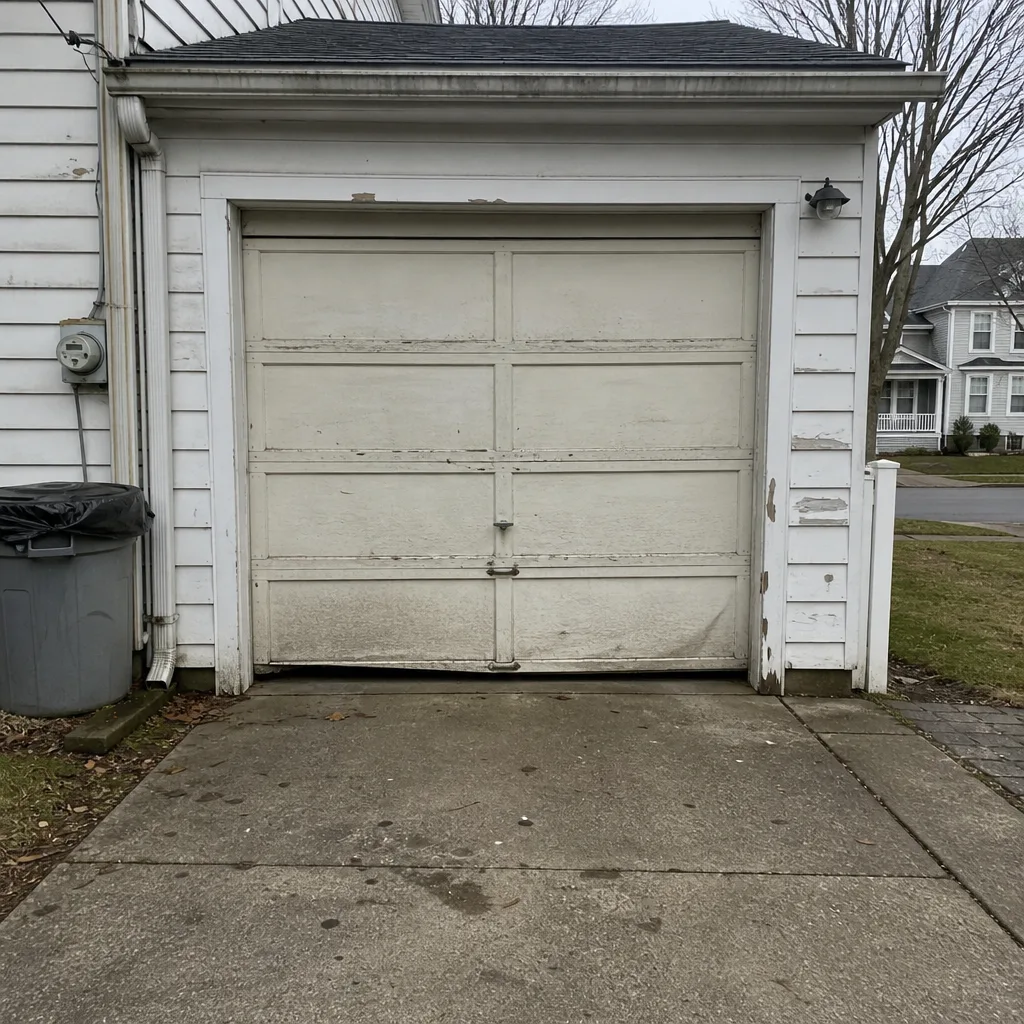 Before
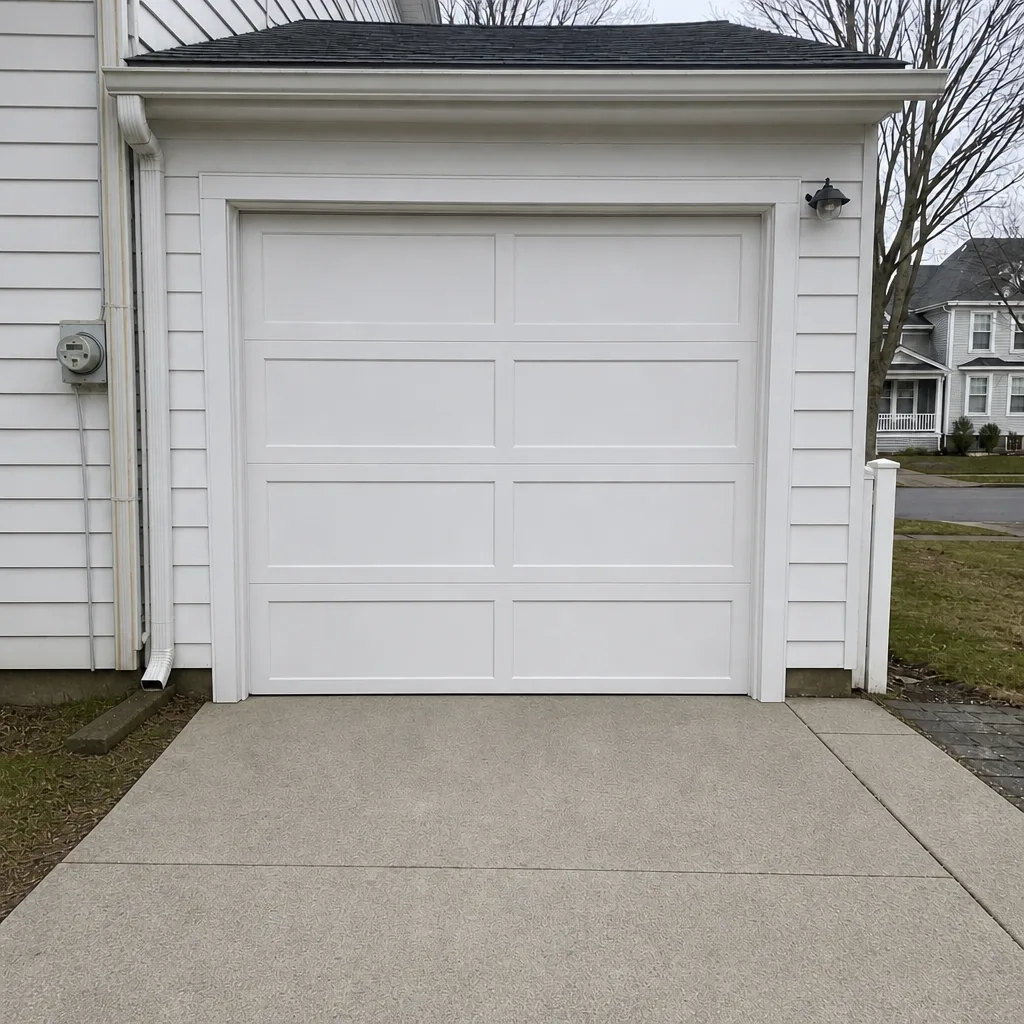 After
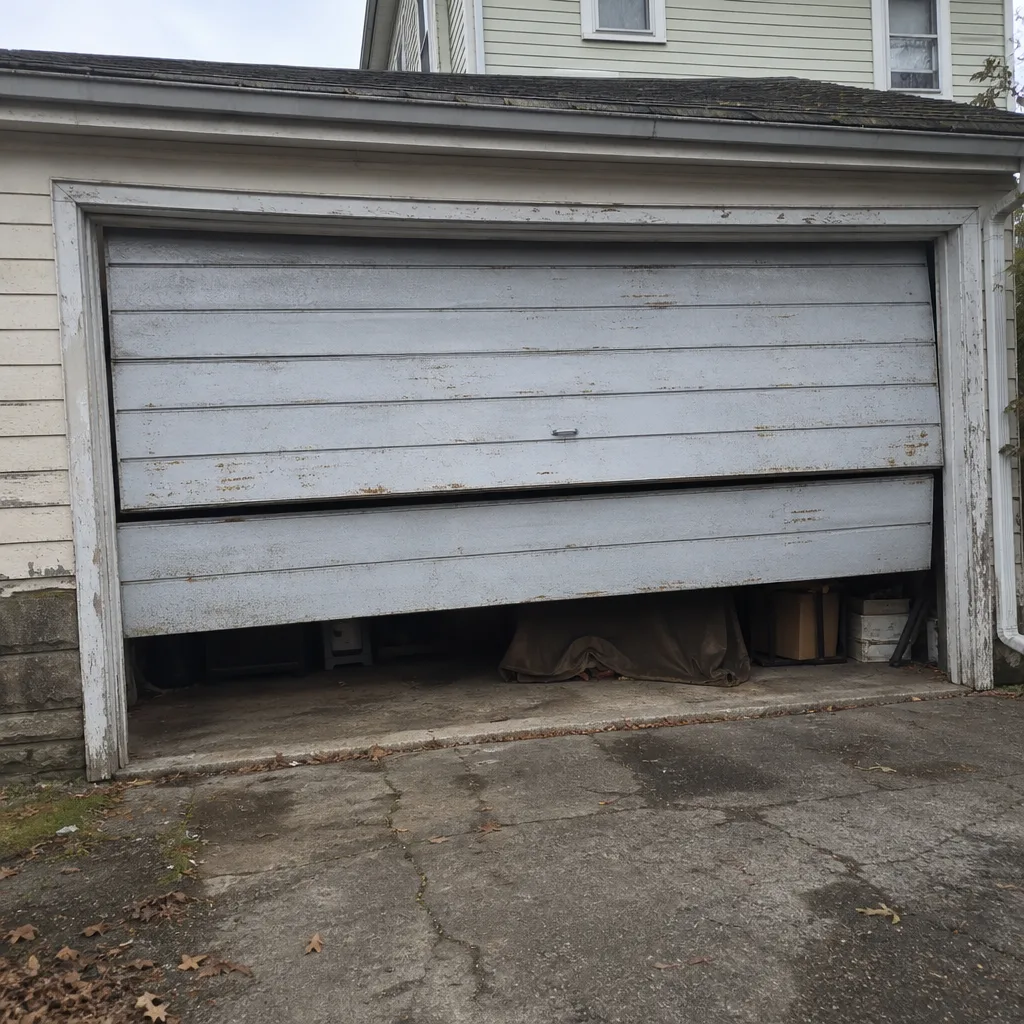 Before
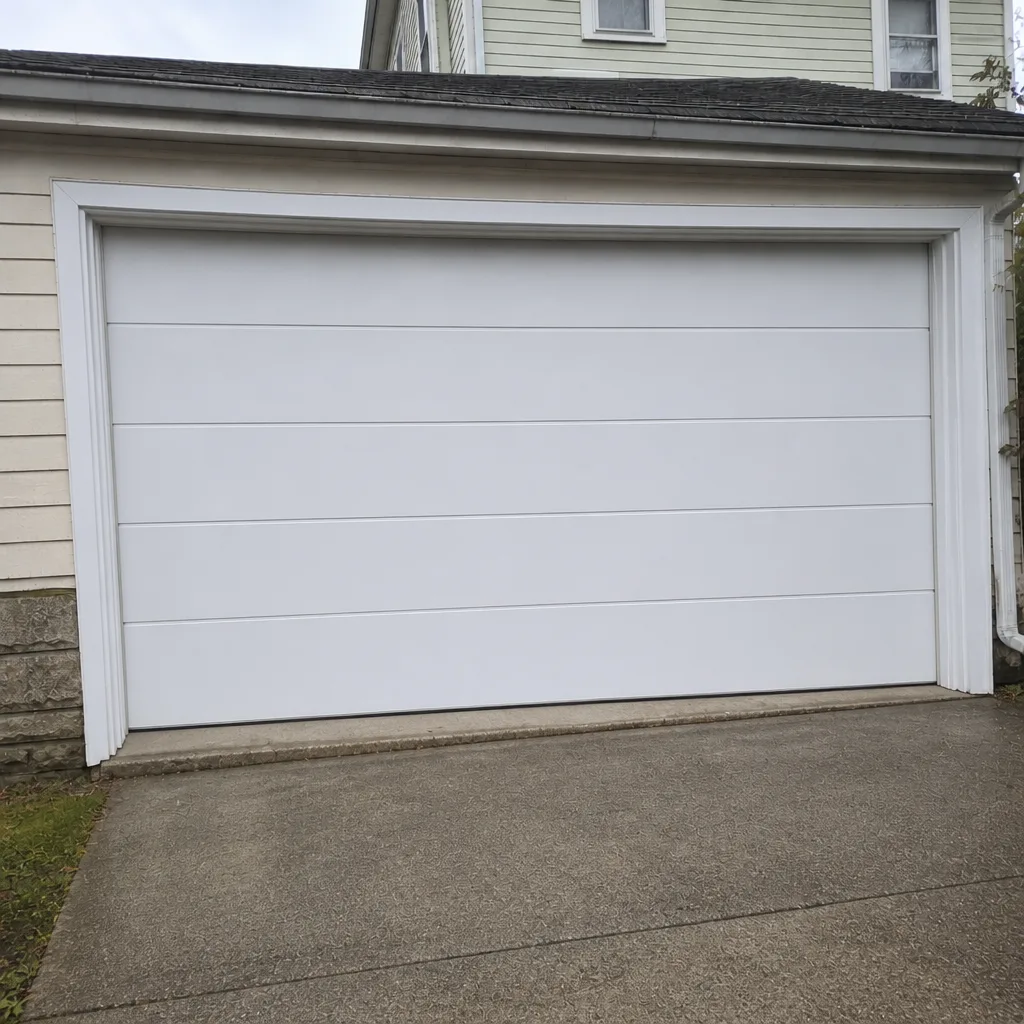 After
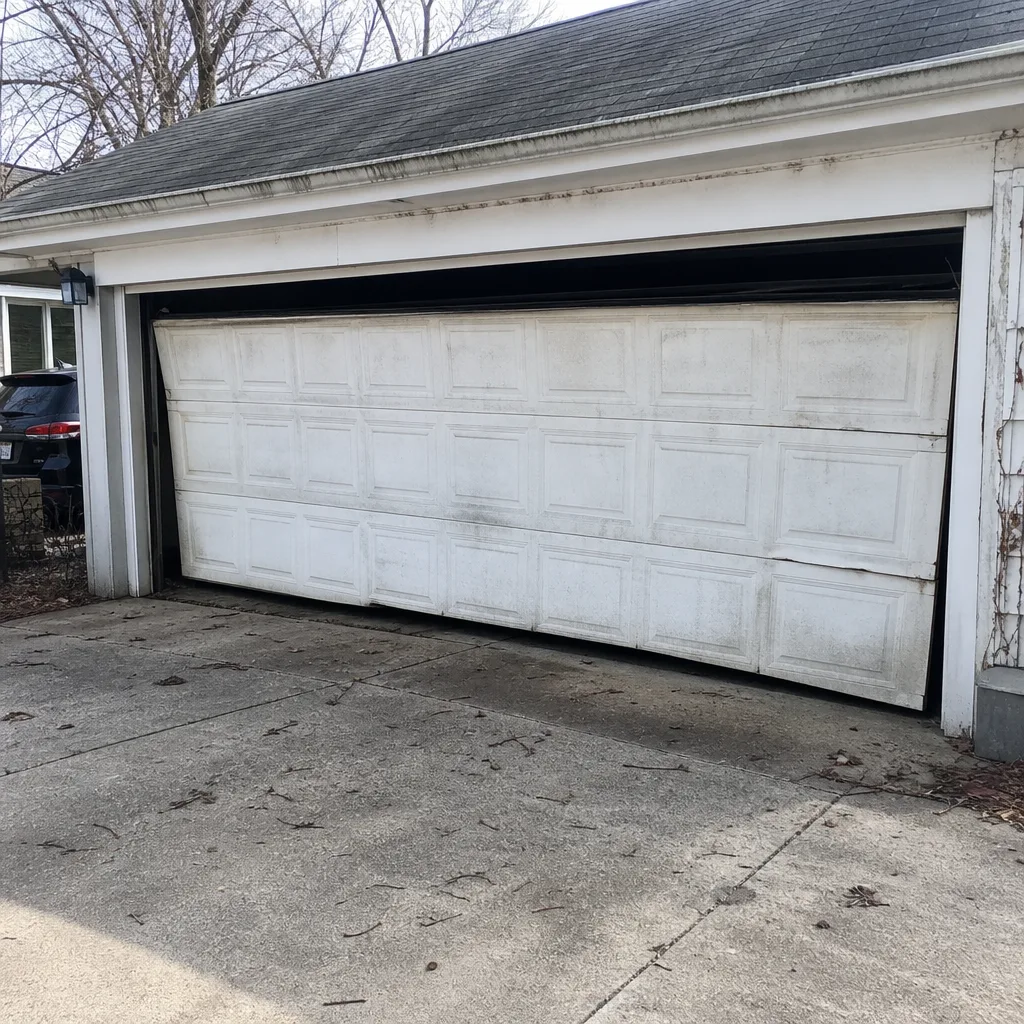 Before
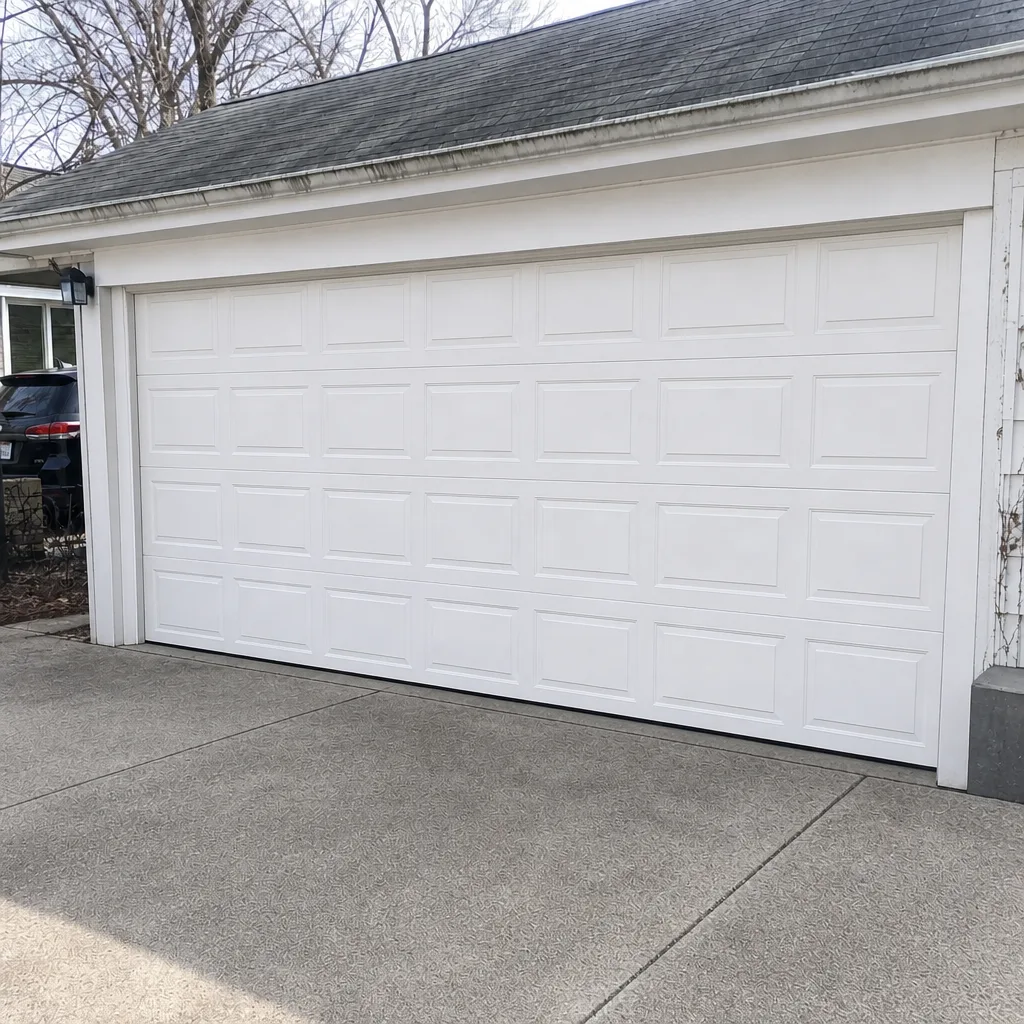 After
Frequently Asked Questions
Twice a year is the right rhythm for this climate: a full prep sequence in fall before the first freeze, and a corrosion and balance inspection in spring after the salt season. Add a tension check after any big temperature swing, which in New Haven means once in fall and once in spring. That twice-a-year schedule catches most problems before they become emergencies.
Free the seal first, and don’t force the door. Warm the bottom seal along its length with a hairdryer on a low setting, working from one side to the other. Never use a chisel, hammer, or hot water to break the ice – those damage the seal or the panel. Once the seal is free, the door should rise normally. If it doesn’t, stop and call a technician. Call (877) 492-2068 for an exact quote – estimates are free.
Cold thickens the lubricant, stiffens the steel, and makes the door heavier to lift – so the opener works harder on sub-20°F mornings. That’s normal in deep cold. If it struggles every cold morning but works fine in the afternoon, the door is out of balance and the spring needs adjustment, not the opener. Call (877) 492-2068 for an exact quote – estimates are free.
No. The balance check is safe to do yourself – disconnect the opener, lift the door to waist height, and see if it stays. The adjustment is not. Torsion springs hold enough stored energy to cause serious injury if they release, and the adjustment requires specific tools and knowledge of the door’s weight. If the balance check fails, call a trained technician. Call (877) 492-2068 for an exact quote – estimates are free.
Yes. Summer is the best time for insulation and paint work, and it’s the easiest season to schedule a measured, ordered, scheduled installation without the pressure of a cold-weather emergency. Unlike a repair, a new-door installation isn’t a same-day job – it’s measured and ordered first – so planning in summer avoids the winter crunch. Call (877) 492-2068 for a free measure and a written price.
The written estimate is the price. If the technician finds something the estimate didn’t cover, you’ll hear about it before any extra work starts – nothing gets added to the bill after the fact. The estimate is free, and the price is quoted and agreed before work begins. Call (877) 492-2068 for an exact quote – estimates are free.
The Bottom Line
Seasonal garage door care in New Haven comes down to a rhythm: seal and tension the door in fall before the freeze, free frozen seals carefully in winter, inspect for salt corrosion in spring, and handle humidity and insulation in summer. The most skipped task – a balance check after temperature swings – is also the one that matters most, because an out-of-balance door wears its spring out through every season. None of this is complicated, and most of it is homeowner work. The parts that aren’t – spring adjustment, cable inspection, opener diagnosis – are the parts where a call is worth making. If you need a door looked at this season, we’re here for both the emergency and the planned job.
Call (877) 492-2068 for a free estimate. We answer 24/7. Fast dispatch from 7am to 7pm, Sunday through Friday, closed Saturday. We service Craftsman, Raynor, LiftMaster, Chamberlain, Genie, Clopay, Amarr, and Wayne Dalton systems, and our technicians have up to 13 years of experience with seasonal spring and opener problems.
Written by the team at New Haven Garage Door Repair Pros.